Every time I open the freezer, the smell catches me off guard.
It’s surprisingly potent: it’s sweet, tart, and smells wild like the forest. For that moment, I’m back in the mountains on a warm summer afternoon.
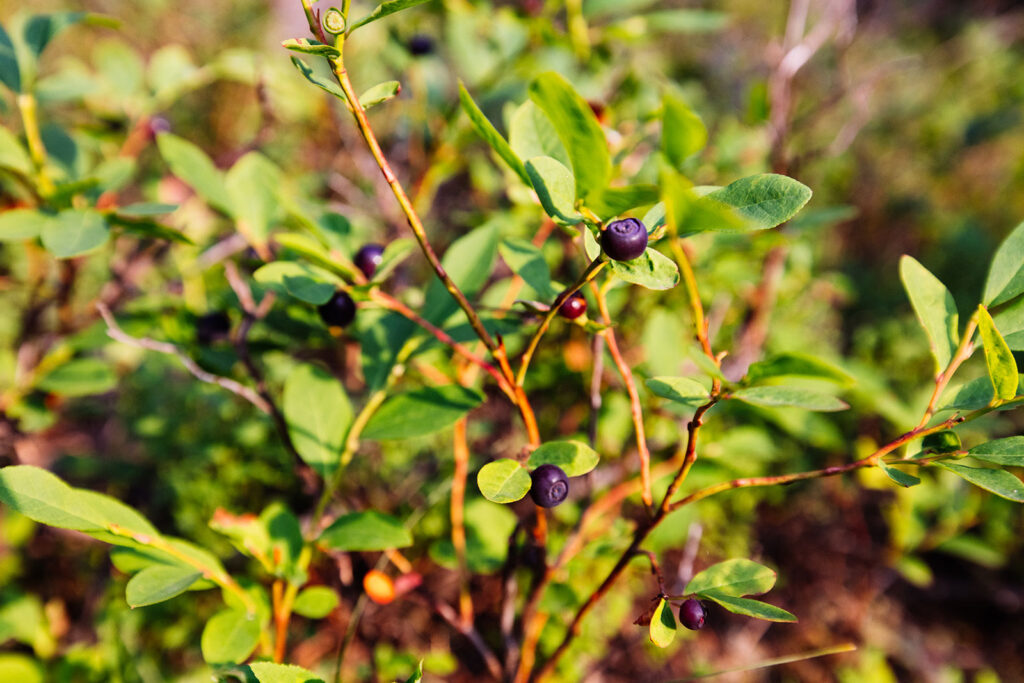
Becoming a Tradition
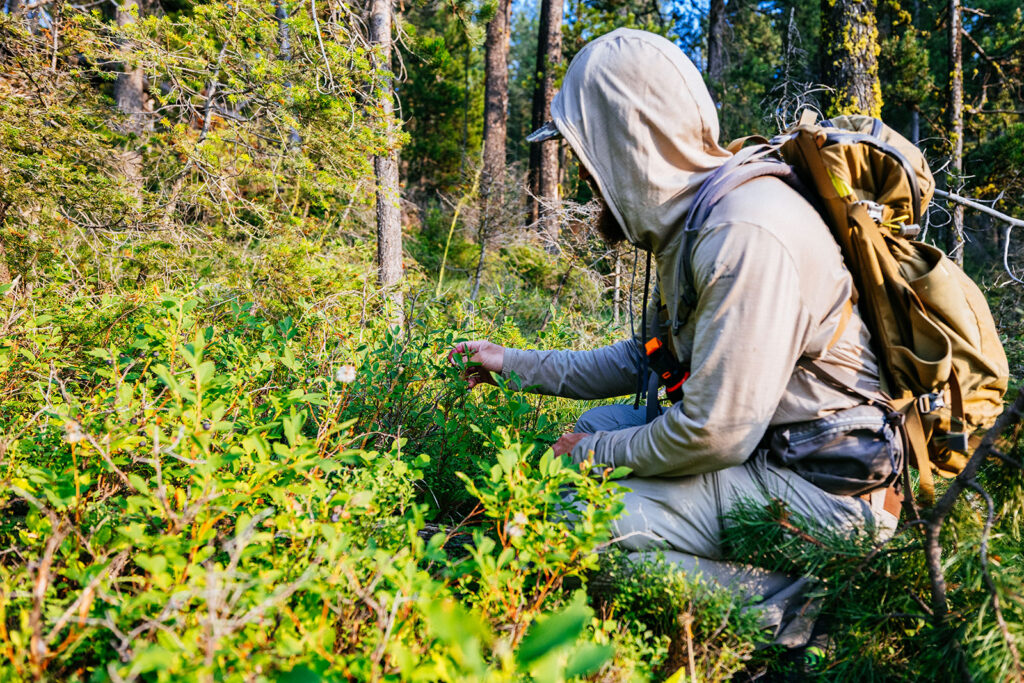
Huckleberry picking has become a small tradition we look forward to every summer. We usually set aside just one weekend for it. It’s not easy giving up a weekend we could be spending in alpine, but we enjoy the forage so much we save just one for it. Whether or not we pick both days doesn’t matter as much, and this year it just ended up being one day because of how hot and smoky it was.
Although we didn’t grow up picking huckleberries in Montana, we did grow up around wild blueberries in the Adirondacks and Maine. Finding them was always a special treat: tiny berries that packed a punch of flavor compared to what you find at the grocery store. Huckleberries brought some of that feeling back.
Some years are better than others. Some bushes are loaded while others have almost nothing. Sometimes you spend what feels like an absurd amount of time collecting a surprisingly small quantity of berries. Picking them is not quick, nor should it be.
Picking wild berries is mix of excitement at finding them, a peaceful saunter through the woods, and feeling gratitude for what these wild places provide.
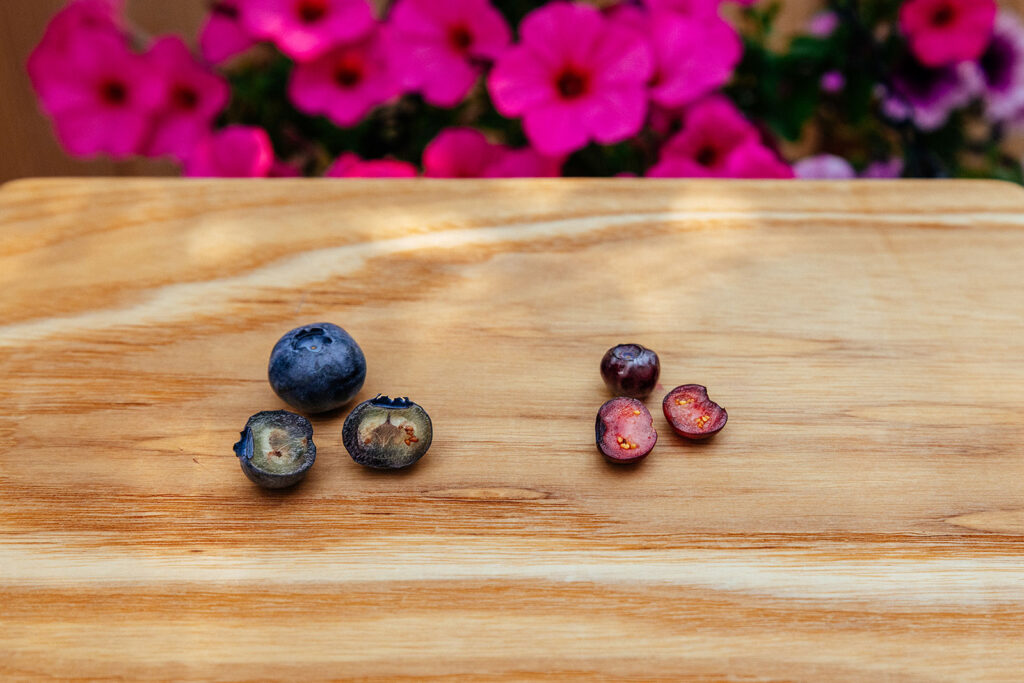
What is a Huckleberry?
If you’ve never eaten a wild huckleberry, it would be easy to mistake one for a small blueberry. They’re closely related and look similar shape-wise from the outside. Blueberries grow in clusters on bushes while huckleberries grow out directly from individual stems. The inside shows a clearer difference in color. Blueberries typically have pale greenish flesh beneath their blue skin while huckleberries are dark red to purple throughout, staining your fingers as you pick them.
The flavor is different, too. While blueberries have an overall sweet flavor, huckleberries have a more intense sweet-tart flavor than blueberries. Mitch has described them as being similar to wild Maine blueberries, but the tartness does seem a touch more noticeable in huckleberries.
Responsible Picking
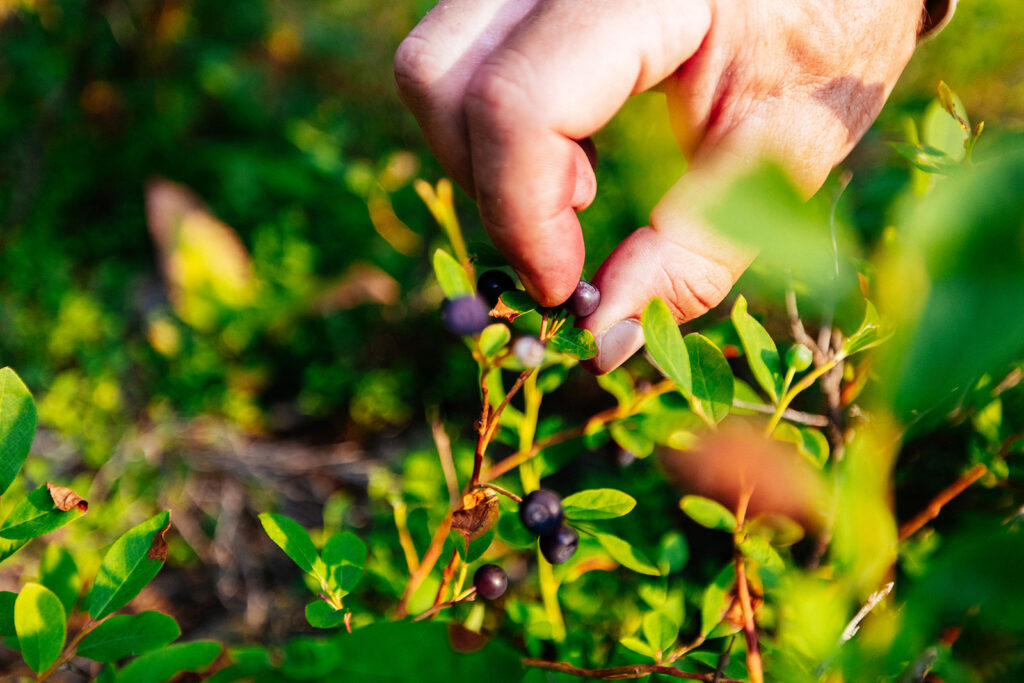
There are plenty of opinions about how many huckleberries a person should pick. We keep our own huckleberry season pretty simple: we typically go out for one weekend each year, gather berries we’ll actually use ourselves, and leave it at that.
We pick by hand, as it should be with wild foraging. We recommend avoiding berry rakes as it can damage the plant and isn’t selective at harvesting ripe from unripe berries. While it is slower, slowing down is part of the reason we’re out there.
When Is Huckleberry Season in Montana?
Huckleberries don’t ripen everywhere in Montana at the same time. Factors like elevation, weather, snowpack, sun exposure and local conditions all influence when berries are ready. Generally, berries begin ripening at lower elevations first, with the season gradually moving higher into the mountains. In the areas where we pick, early-August through early September is typically our window.
As for where to find them? Good luck getting someone to tell you where their huckleberry spot is. Spend time outside, look around the bushy vegetation for berries, and learn what the plants look like. Eventually, you’ll start noticing things you once walked right past.
Remember, You’re in Bear Country
We aren’t the only ones looking for ripe huckleberries. Bears rely on berries as a seasonal food source, which means productive patches can put people and wildlife in the same places at the same time. Our approach to bear safety is the same as when we’re hiking: always carry bear spray and have it where it is readily accessible.
It’s important to remain aware of what’s happening around us and watch for signs of wildlife. Picking berries naturally encourages you to stare at the ground and become absorbed in what’s directly in front of you. Remember to look up once in a while.
How We Store and Use Wild Huckleberries
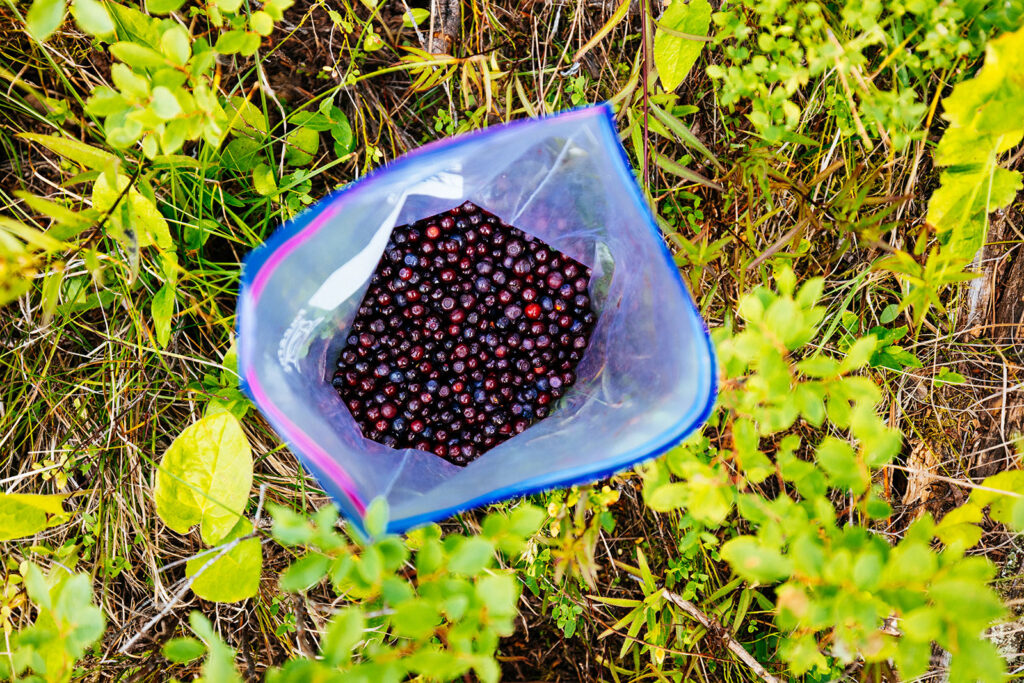
We immediately prepare what we haven’t already eaten that day for freezing. Some people rinse them when they get home, some roll them on paper towels to remove debris. There is wide disproval for soaking in water as it removes the flavor. We simply lay them spaced out on paper towels to dry and then freeze in batches on cookie sheets. Once fully frozen we put them into zip lock bags for storage.
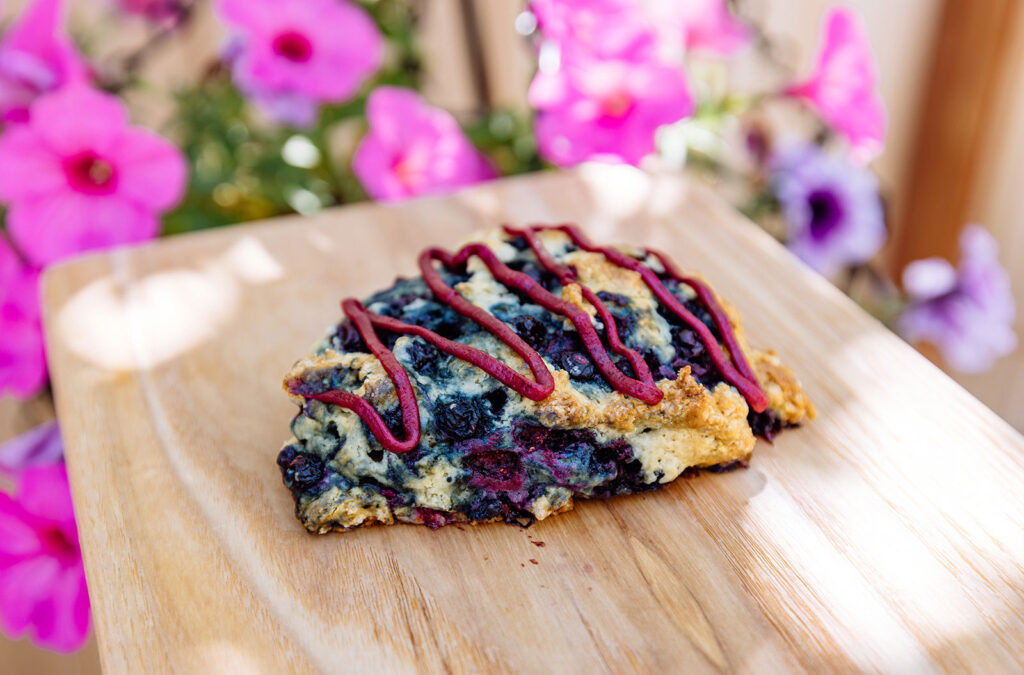
The hardest part might be deciding what recipe deserves the berries. Pie is an obvious favorite but takes a lot of berries. Our go-to in winter has been huckleberry scones. I’ll open the freezer and that wild unmistakable smell will fill my nose reminding me that summer is on its way again.
01.
Picking wild berries fills us with gratitude for what these wild places provide.
02.
Part of foraging is accepting what the season gives you.
Gear We Used
We only recommend gear we’ve personally used and trust in the backcountry. Some links are affiliate links, which means we may receive a small commission if you make a purchase, at no additional cost to you. Your purchases help support Backyard Montana and the work we share. 1% of our annual gross revenue is donated to organizations working to protect Montana’s land, wildlife, and public access.
Recommended Day Hiking Gear
Suggested pack list:


