AdventuresGearHelpful

Backpacking Montana’s Chinese Wall: What Surprised Us Along the Way

The Chinese Wall had been high on our backpacking list for years.

For anyone who enjoys wilderness backpacking, it’s one of those places that comes up again and again in conversations. A massive limestone wall deep within Montana’s Bob Marshall Wilderness that’s become something of a wilderness celebrity. When our friends Ashley and Davis agreed to join us, we were ecstatic to turn the dream into a reality.

Like most people, we were excited to see the Wall itself. But after four days in the wilderness, what we found ourselves talking about afterward weren’t just the views. It was the little moments, unexpected observations, and stories that happened between the trailhead and camp that make trips memorable.

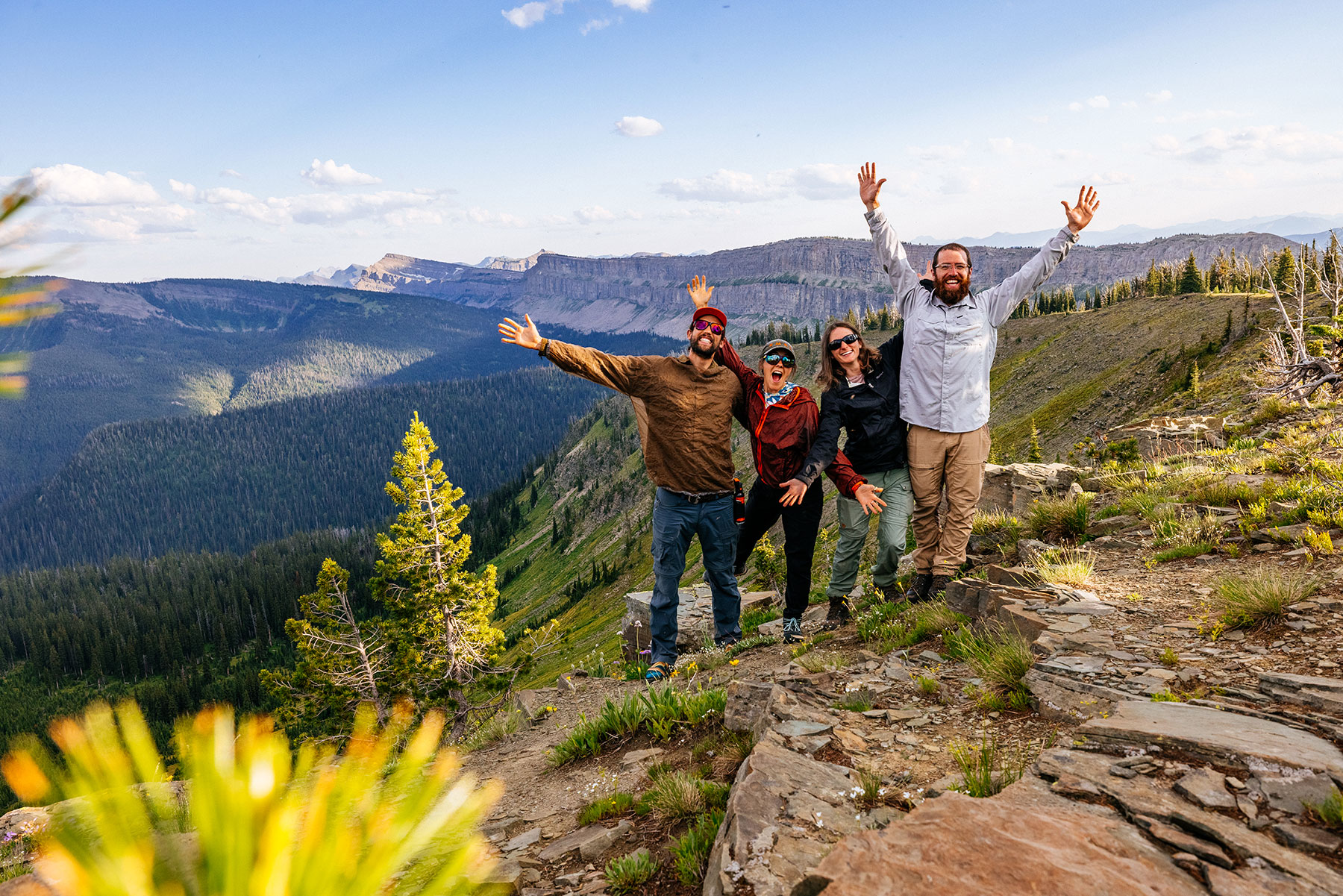
Watching sunrise paint the Chinese Wall in warm morning light was a spectacular experience.

Watch the Adventure

This video follows our entire four-day backpacking trip. Hiking across Montana’s Rocky Mountain Front to camping beneath the Wall, sunrise at camp, river crossings, and everything in between.

What Makes the Chinese Wall So Special?

The Chinese Wall isn’t just a dramatic rock formation, it’s surroundings contribute to what make the experience unique. Stretching for more than 20 miles through Montana’s Bob Marshall Wilderness, the Wall sits within one of the largest designated wilderness complexes in the contiguous United States.

Unlike many public lands, designated wilderness areas are intentionally kept wild. There are no roads, no motorized vehicles, and no bicycles. Travel happens on foot or horseback, and the landscape is managed to preserve its natural character. That means more than scenic views. It means quiet mornings without traffic, long stretches where you may not see another person, abundant wildlife, and an opportunity to experience Montana much as it has existed for generations.

Places like this are becoming increasingly rare, which is exactly what makes them so special and worth protecting.

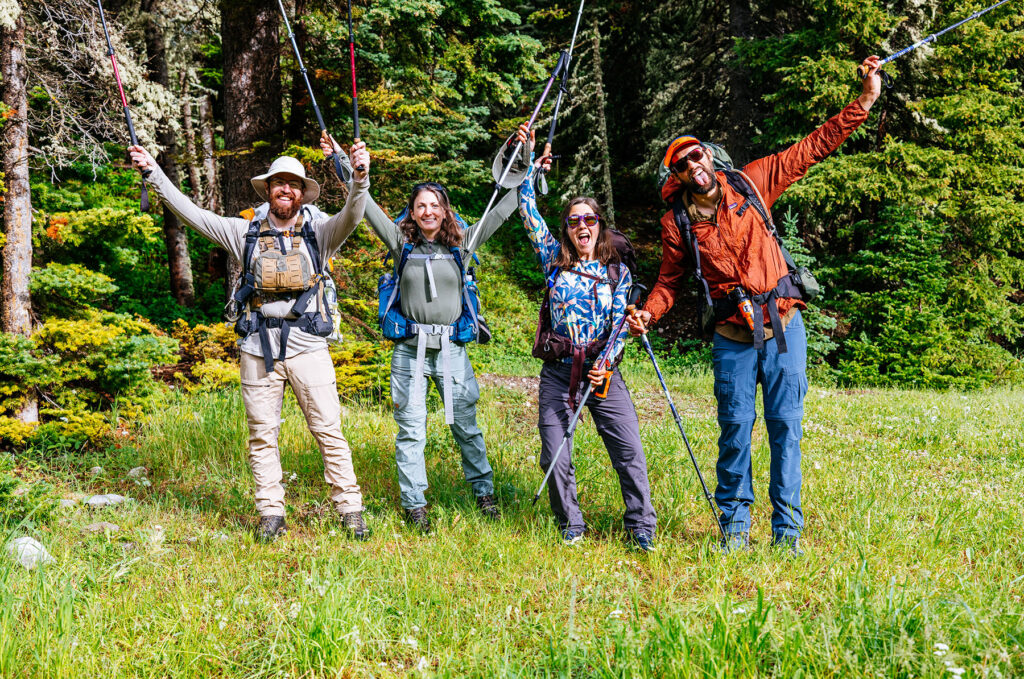
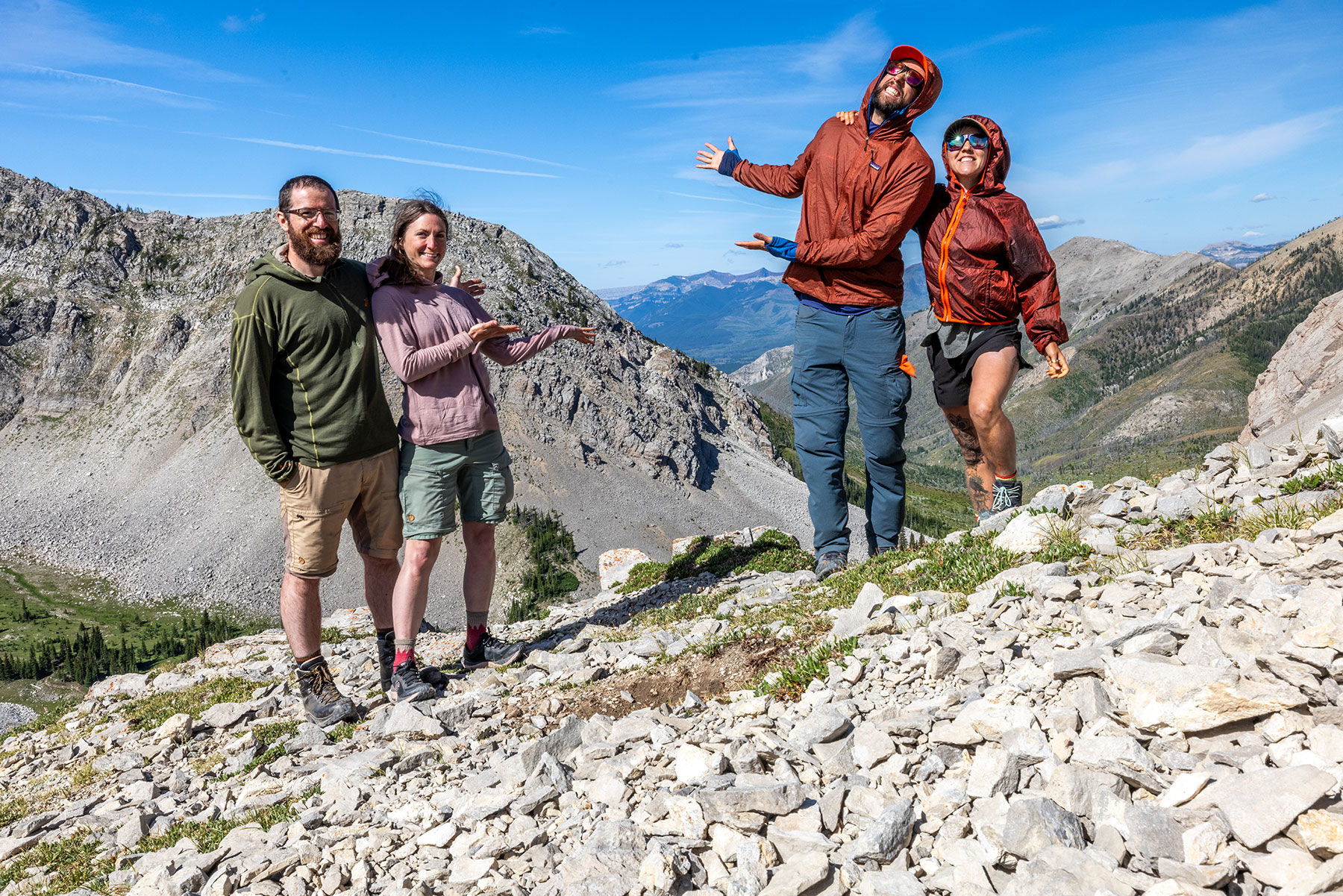
Group of four backpackers posing with trekking poles at the South Fork Teton Trailhead before beginning a five-day backpacking trip to Montana's Chinese Wall.
Five days. Sixty-eight miles. One giant limestone wall. Spirits were high at the trailhead start.

Our Route

We completed the trip as a lollipop beginning at the South Fork Teton Trailhead. Rather than taking the more common approach, we chose this route because it crosses Montana’s Rocky Mountain Front before entering the heart of the wilderness. It does add another mountain pass and some extra elevation gain, but we thought the scenery was worth it.

We had originally considered hiking Moose Ridge as well, but decided to skip it before reaching the junction. After passing the turnoff, it looked like significant downfall was blocking much of the trail, so we felt pretty good about our decision.

Miles Total

Days

Bears

Goodbye Glances

Route Directions

South Fork Teton Trailhead

Headquarters Creek Trail

Gates Park Trail

Continental Divide Trail

Spotted Bear Pass Trail

The Chinese Wall!

Moose Creek Trail

Gates Creek-Moose Creek Trail

Gates Park Trail

Headquarters Creek Trail

South Fork Teton Trailhead

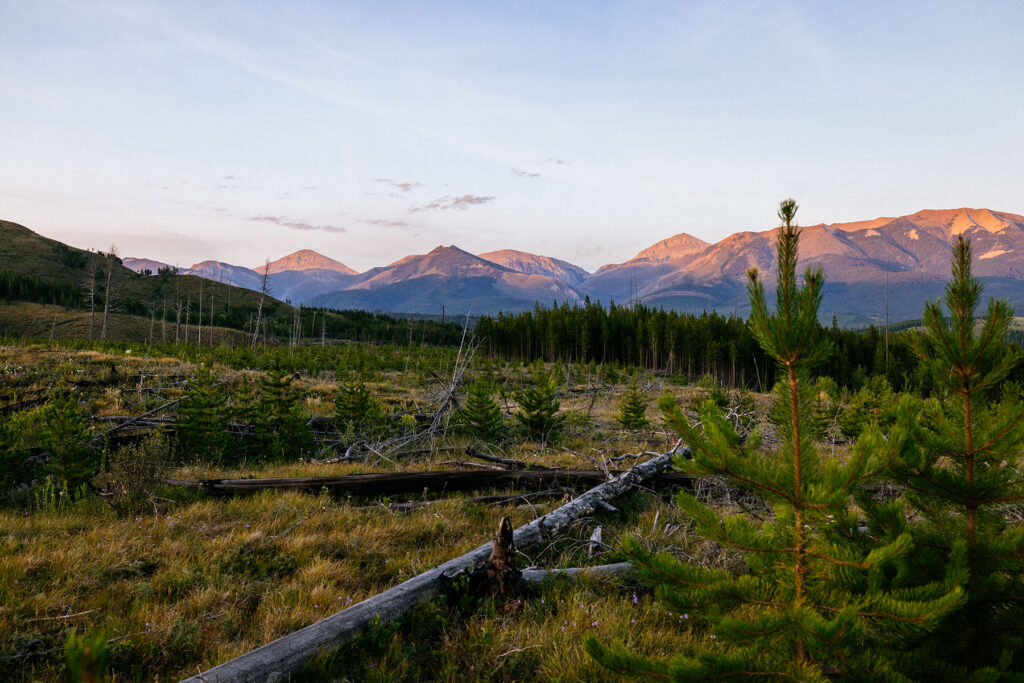
Sunset over the Rocky Mountain Front viewed from the Bob Marshall Wilderness shortly before hearing a Common Nighthawk's booming courtship dive.
Just moments after taking this photo, we were convinced we'd heard a grizzly bear.

What Surprised Us

There were far more horses than hikers

One of the first things we noticed was how many people explored the Bob Marshall on horseback. We expected to see backpackers throughout the trip, but most of the trail traffic consisted of horse riding outfitter groups. It makes sense considering the distances involved, but was still surprising to us. If it’s your first time hiking in horse country, remember that hikers should always yield to horses.

The largest concentration of foot traffic we saw during the entire trip was around the Chinese Wall itself. Even then, it never felt crowded.

We never saw a single bear

This was probably our biggest surprise. Before visiting, we’d heard plenty of stories about the Bob Marshall’s grizzly population. We carried bear spray, stored food properly, and expected to see at least one bear, even if in the distance. Instead…nothing. Not even a black bear.

That doesn’t mean you should expect the same experience. Every trip is different, and this is absolutely grizzly country. Come prepared, know how to safely store food, carry bear spray, and understand how to respond if you do encounter wildlife.

The Legend of the Grizzly Toad

On our first evening, Valerie wandered away from camp to photograph the fading twilight when she heard what sounded like a deep bear grunt somewhere in the trees. Running back to the tent everyone got ready for the encounter we had been anticipating. After hearing it periodically for a few minutes without a bear emerging, we decided it likely wasn’t a bear.

After eliminating every explanation we could think of, we jokingly decided the Bob Marshall Wilderness must be home to grizzly toads: a completely fictional species that apparently grunts like a bear.

It wasn’t until we got back into cell service that we discovered the real culprit: a Common Nighthawk. When a nighthawk dives, air rushing through the bird’s wings creates a surprisingly deep booming sound. As the light was fading, with bears already on the mind, it’s remarkably convincing.

We may not have seen any bears, but the “grizzly toad” gave us a defining memory from the trip.

We Had Long Stretches of Trail to Ourselves

We were surprised by how quiet the trail felt to and from the Chinese Wall. Given that it’s one of the Bob Marshall Wilderness’s most popular backpacking destinations, we expected to see more hikers along the way. Instead, we only encountered three other hiking groups and often had long stretches of trail entirely to ourselves.

The busiest area was around the Chinese Wall itself, but even there it never felt crowded. Our experience may have been influenced by the route we chose, which is less popular than some of the more direct approaches.

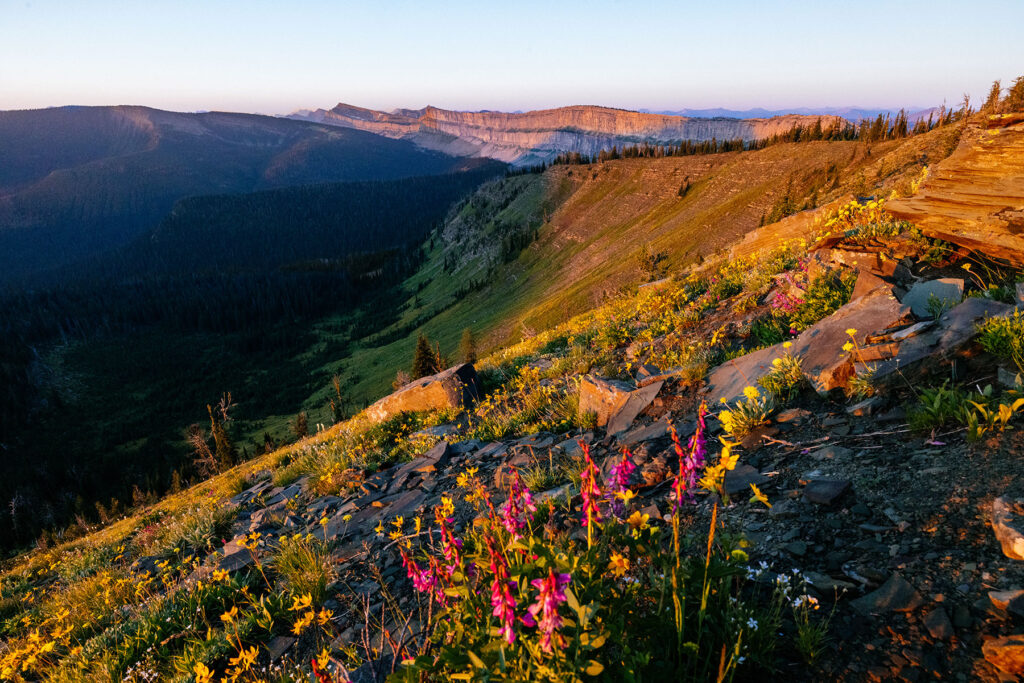
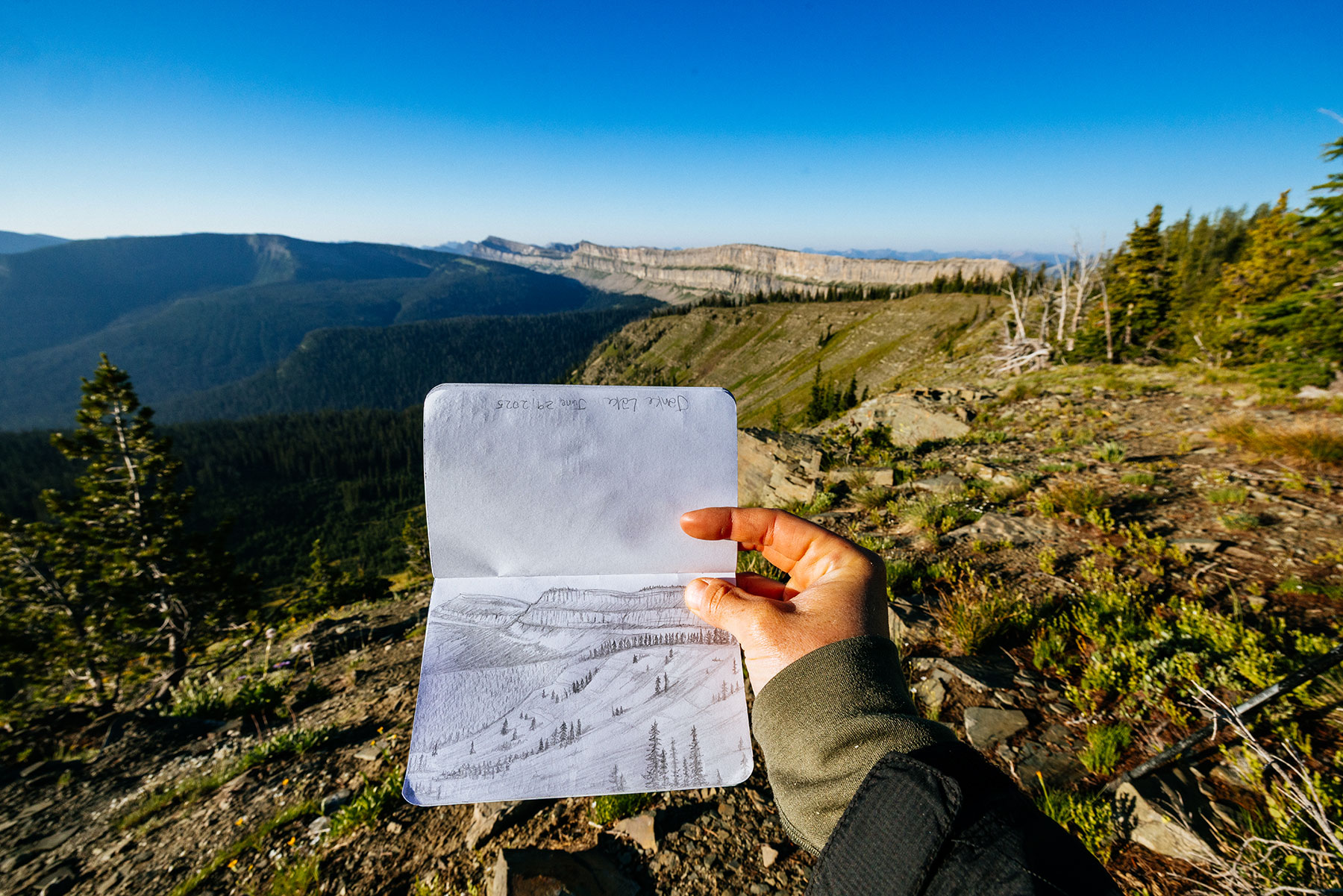
Sketchbook drawing of Montana's Chinese Wall held in front of the actual landscape during sunrise.
Sunrise consisted of photography and sketching.
Dinner tasted even better with a view of the Chinese Wall stretched across the horizon.

Adding a sunrise art session gave us a reason to stop and truly appreciate the Chinese Wall, noticing the changing light and details we might have otherwise missed.

What We’d Do Differently

Overall, we wouldn’t change much. We saw what we came to see, shared the experience with friends, and took one million goodbye glances at the Chinese Wall before it finally disappeared behind the Front Range. There were just a few gear items we would have changed.

Sneakers > Boots

We’d probably leave our heavier backpacking boots at home. Since the entire route followed established trail, lightweight trail runners would have been more than sufficient and would have saved some weight.

Water Crossing Shoes

We’d also bring dedicated shoes for water crossings. Several creek crossings were rocky enough that walking barefoot wasn’t particularly enjoyable, and a lightweight pair of water shoes would have made them much easier.

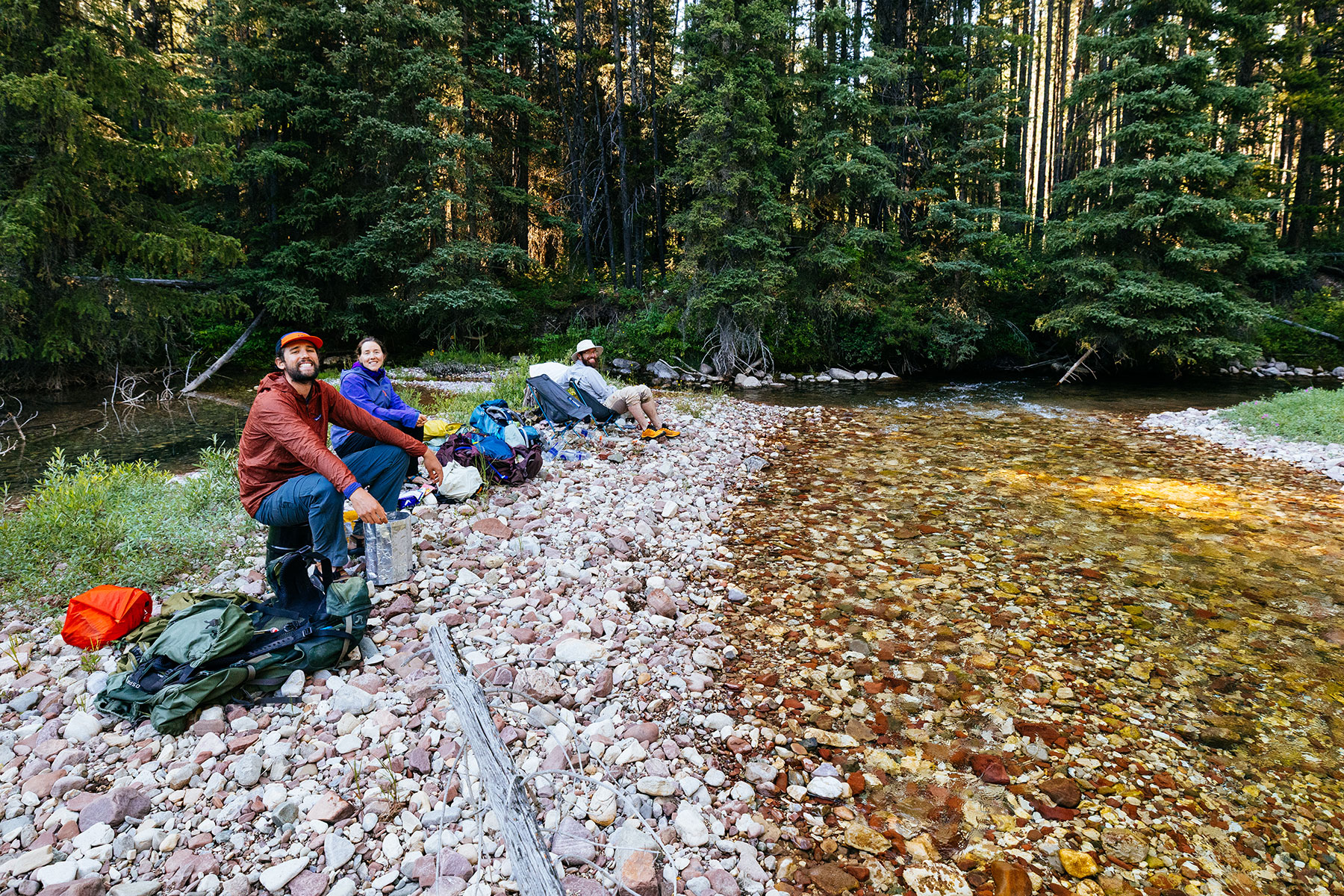
Backpackers relaxing beside Moose Creek during a backpacking trip through Montana's Bob Marshall Wilderness.
By this point we'd settled into trail life: filter water, make dinner, compare sore feet, and do it all again tomorrow.
View of Montana's Chinese Wall from Headquarters Pass at the end of a backpacking trip.
One last look toward the Chinese Wall from Headquarters Pass. We lost count of how many times we turned around for "just one more look."

Gear We Used

We only recommend gear we’ve personally used and trust in the backcountry. Some links below are affiliate links, which help support Backyard Montana at no additional cost to you.

Recommended Backpacking Gear

Suggested pack list:

Backpacking Pack: Osprey Aura Having a pack that distributes weight well is worth not going ultralight. The anti-gravity belt system works very well for women. The men’s Atmos version is highly reviewed as well.

Tent: Durston X-Mid Pro 2 We’ve been using this tent for 4 years now. It’s super lightweight, and surprisingly roomy for a 2-person tent.

Sleeping Bag: Enlightened Equipment Enigma Sleeping Quilt If camping up in high alpine, we recommend no warmer than the 20° quilt or bag. Valerie likes the 0° and the quilt benefit, is that you can lay it out or fold it over for hotter nights.

Water Filtration: Katadyn Gravity BeFree Water Filtration System – 3 Liters works with the 1L BeFree filter we use on day hikes. We usually squeeze-filter water instead of waiting on gravity, giving us more control over the flow, and we prefer the integrated filter design over external filter systems like the popular Sawyer Squeeze.

Camp Chair: Helinox Chair Zero We know they’re considered a luxury item, but after a long day on trail, nothing beats being able to truly relax instead of balancing on rocks or sitting in the dirt.

Cooking Stove: MSR Pocket Rocket It’s a simple and easy to use option. Requires isobutane-propane fuel canester.

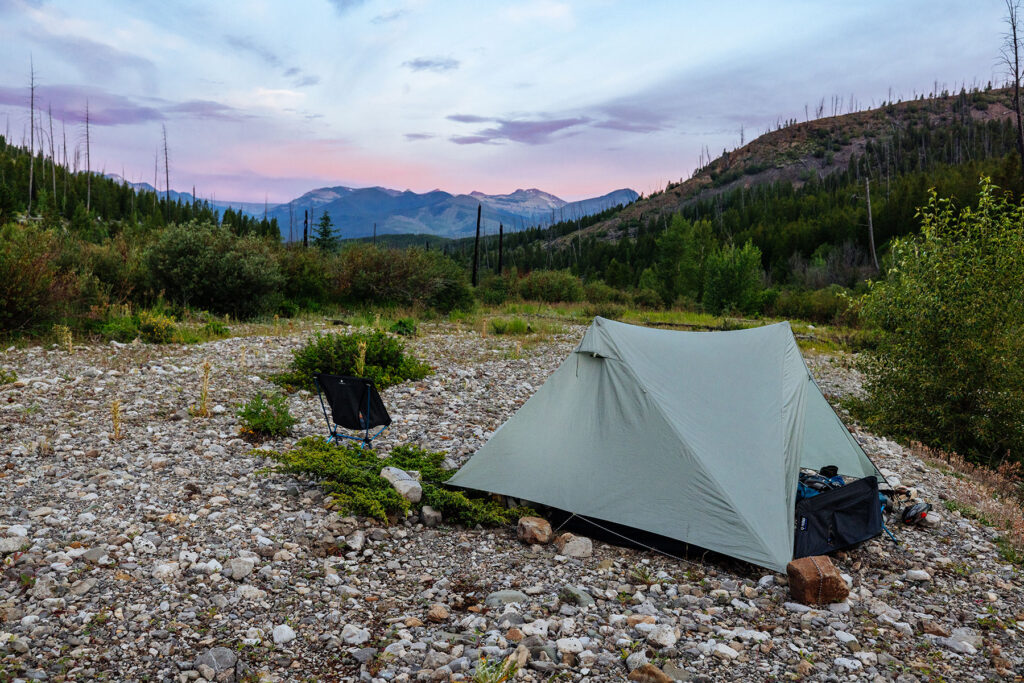
Backpacking tent pitched beside a rocky riverbed at the final campsite in Montana's Bob Marshall Wilderness.
Our final campsite before hiking out. There's always a strange mix of gratitude and disappointment on the last night of a great backpacking trip.

Field Notes

01.

A sunrise is worth planning your itinerary around.

02.

Bring something that lets you create, not just consume.

03.

Never trust a “grizzly toad.”

04.

Keep looking back on the hike out. Sometimes goodbye deserves more than one glance.

Some of the links in this post are affiliate links which means if you make a purchase, we receive a small compensation at no added cost to you. Any purchases you make help keep this blog going and our content free. We truly appreciate your support!