AdventuresGear

Ski Touring in Montana After a Late Winter Storm (Snow Ghosts & Arctic Conditions)

A late-season storm rolled through just before winter gave way to 70-degree days, and we knew we needed to get out and enjoy it. The temperature was somewhere between 20-30°F. The conditions were just right to spend a long day outside playing in the snow.

We skied through wide, empty hills, watching wind move snow across the landscape in soft shimmering patterns. The landscape felt simple and calming. Trees coated in rime ice stood frozen in place, and it reminded us of our trip to Finland the year before.

The goal was to make it to an abandoned fire lookout, but we found ourselves more drawn to features that reminded us of the Arctic.
Watch a Video From the Day
A short look at the wind, quiet, and movement across the landscape.

What a Late-Season Storm in Montana Can Feel Like

Late winter in Montana can be unpredictable. This year especially, snowfall has been sparse and the temperatures were alarmingly warm, which made this storm feel like a brief return to something we hadn’t had much of all season.

In the weeks leading into spring, snow can change fast. Warmer temps bring heavier, stickier conditions, and what feels light in the morning can turn sluggish by the afternoon. That contrast makes days like this stand out even more.

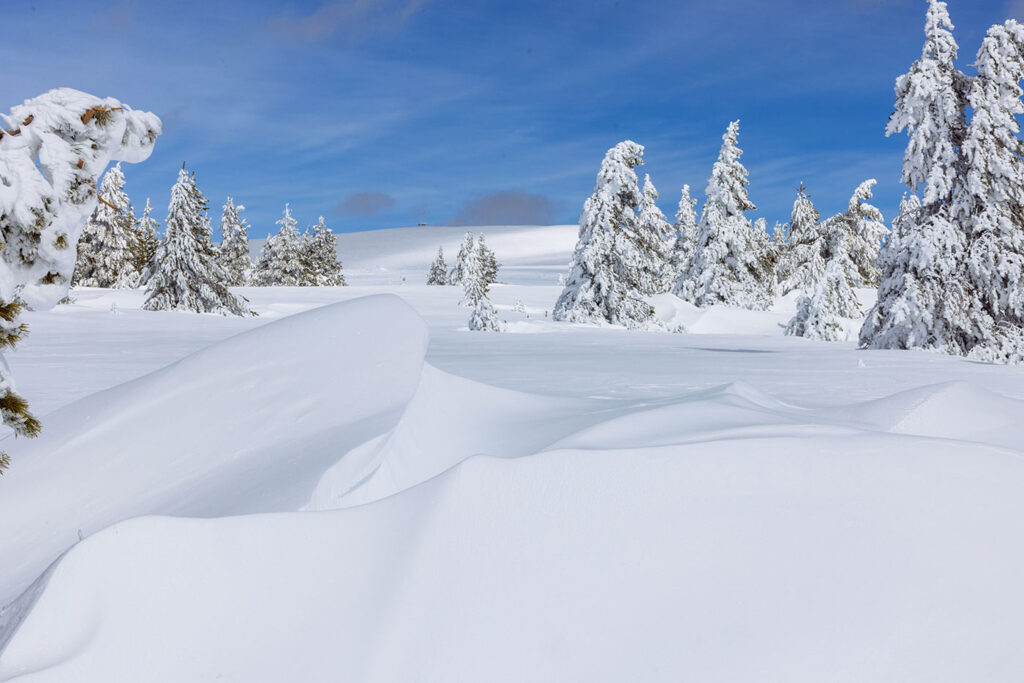
Wind-sculpted snow drifts and rime-covered trees in a quiet Montana winter landscape
Wind-sculpted snow drifts and rime-covered trees: a perfect Montana winter landscape.

Snow Ghosts, Rime Ice, and Snow Sculptures: What We Experienced

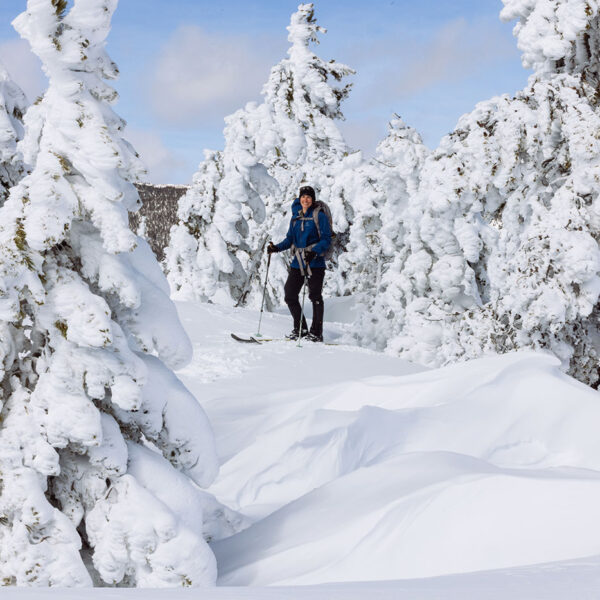
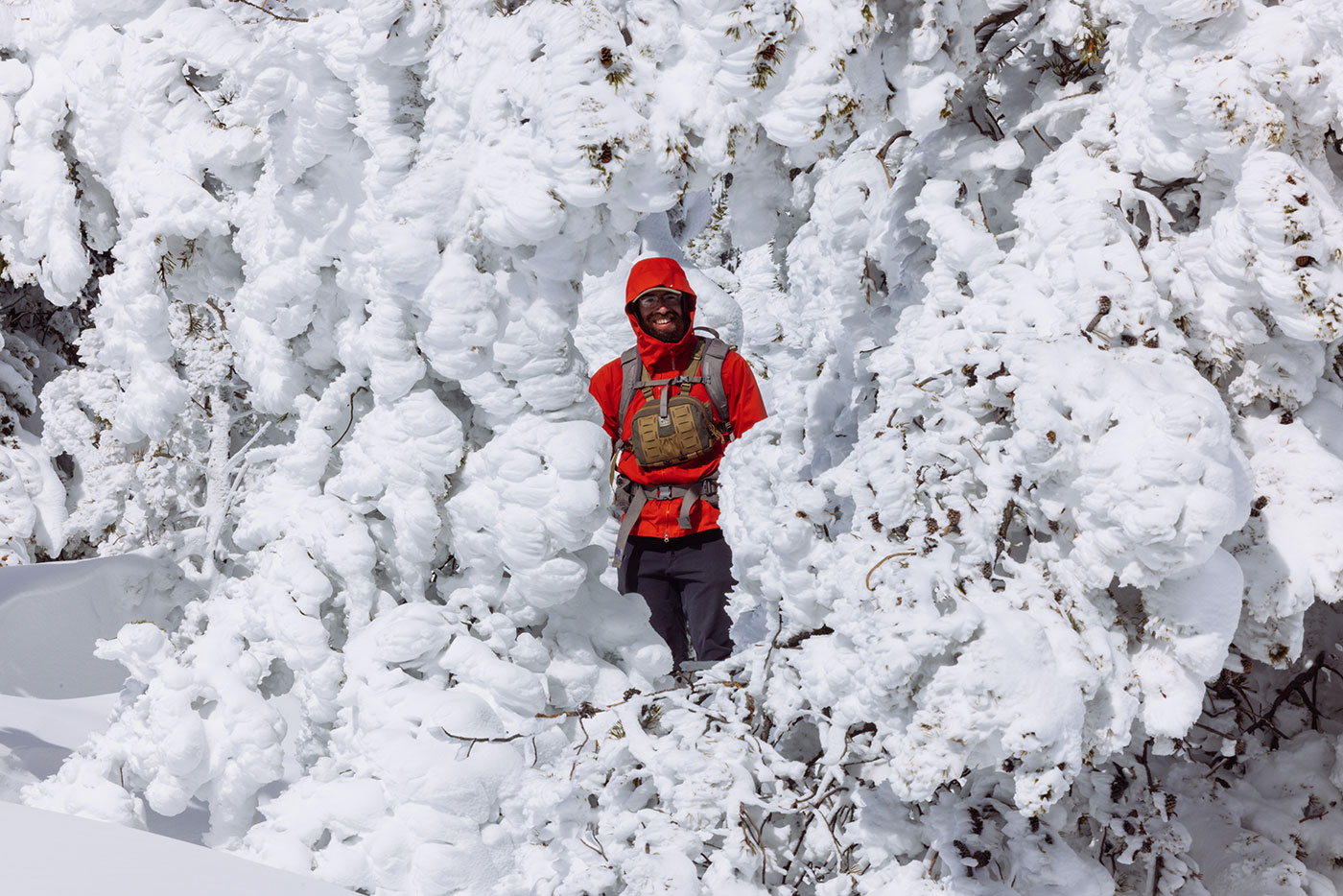
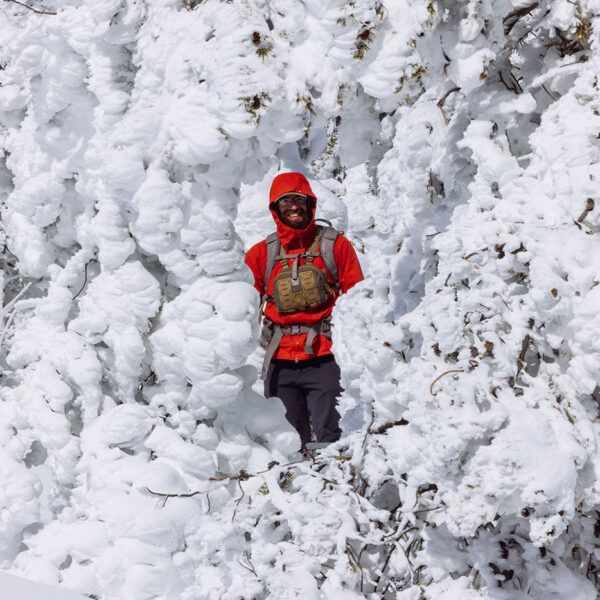
Some of the most striking parts of the day were the trees. They were completely coated in thick, white ice called rime ice. It forms when supercooled fog freezes onto surfaces in high wind, building layer by layer until trees take on these sculptural, almost otherworldly shapes.

When enough ice builds up, those trees become what people often call snow ghosts. They are wind-shaped forms that barely resemble the trees underneath. It’s something you tend to see in exposed, high-elevation areas where wind and moisture collide. When it happens across an entire hillside, it transforms the landscape into something reminiscent of an Arctic landscape.

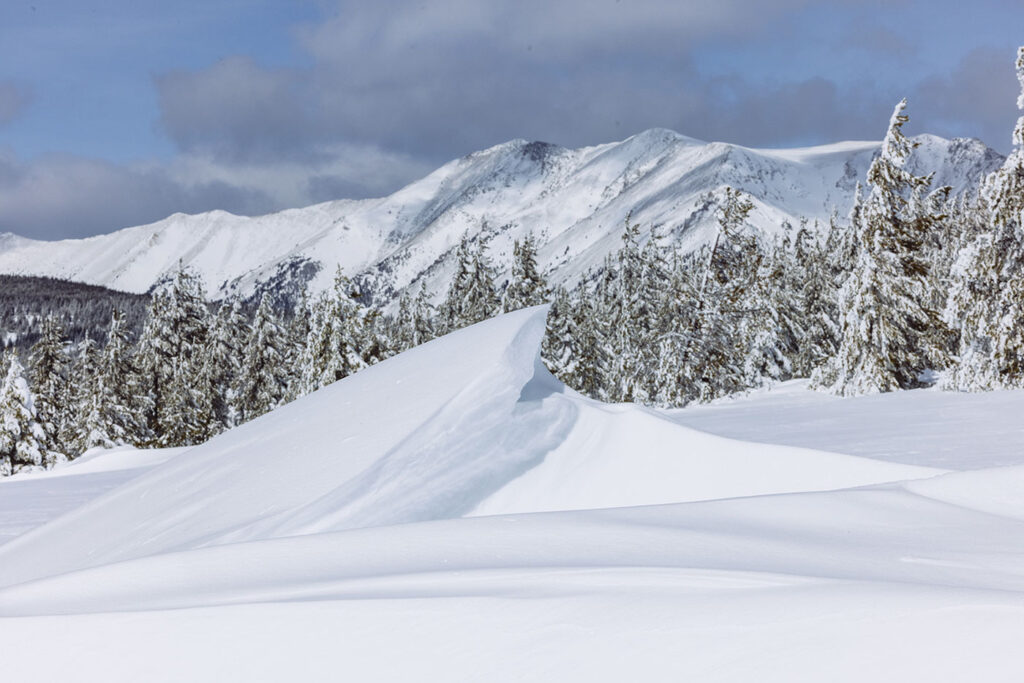
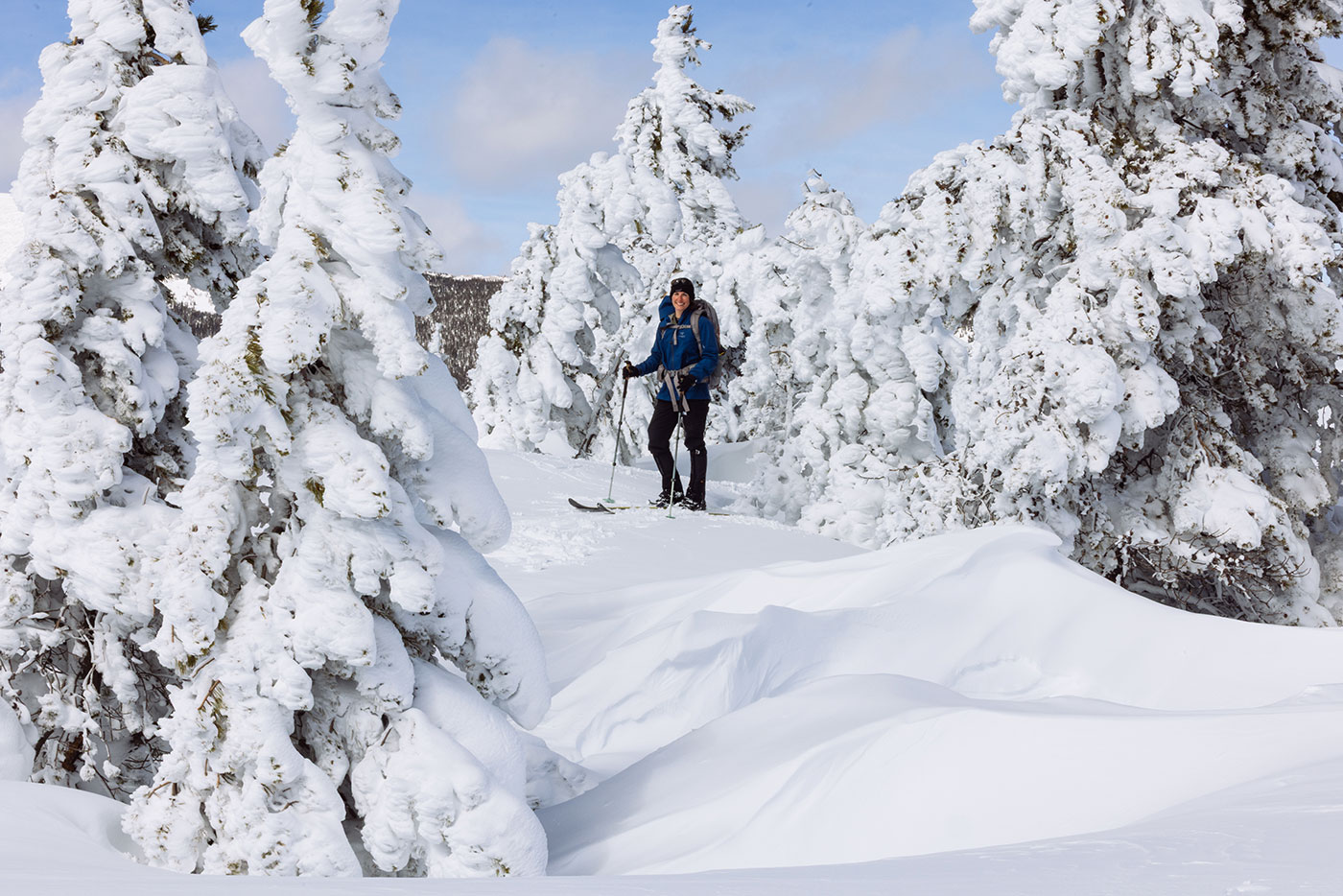
We also observed some intricate wind-formed snow sculptures. It’s amazing how it can be blown into shapes that look like curtains and waves.

Mitch standing among trees covered in thick rime ice in Montana

Mitch seen through an opening among trees covered in thick rime ice.

Mitch standing among trees covered in thick rime ice in Montana
ski-touring-rime-ice-trees-montana
Valerie moving through snow-covered trees shaped by rime ice in a Montana winter landscape

Valerie moving through snow-covered trees shaped by rime ice + a snow sculpture in the foreground.

Valerie moving through snow-covered trees shaped by rime ice in a Montana winter landscape
ski-touring-snow-ghosts-montana

Where You Might See Snow Ghosts in Montana

Snow ghosts aren’t everywhere, but they show up in the right conditions.

You’re most likely to see them:

  • At higher elevations
  • In areas exposed to consistent wind
  • During periods of cold fog or moisture

One of the more accessible places people often notice them is at Whitefish Mountain Resort, where conditions line up regularly enough for them to form. Beyond that, it’s less about specific locations and more about timing and environment. If you’re out after a storm in a high, windy area, you might get lucky.

Wind-sculpted snow drift with Montana mountain peaks and rime-covered trees in the background
Wind shapes the snow into soft sculptural forms. One of the details that made the day feel extra special.

What We Wore & Gear That Worked

Layering: We both use brands of merino wool as our base layers and Outdoor Research softshell pants. Mitch uses an Outdoor Research shell jacket and Valerie uses Arc’teryx. Valerie has been experimenting using a Brynje fishnet base layer for breathability and warmth. So far, it seems to add noticeable warmth when layered, particularly in colder conditions, though it’s still something being tested across different temperatures and activity levels.

Skis: Mitch’s skis are the Kōm skis from Altai. They’re a small handmade ski company, and we’ve tested a couple of their skis. They work well for him as a ski that can break trail well, has good grip, and floats. Valerie uses a pair of Fischer S-Bound 112 Crowns, which grip well and make for fun tele turns.

Winter Gear Recommendations

Val highly recommends the Rab Microlight Alpine Down Jacket in spring conditions as backup warmth when taking breaks.

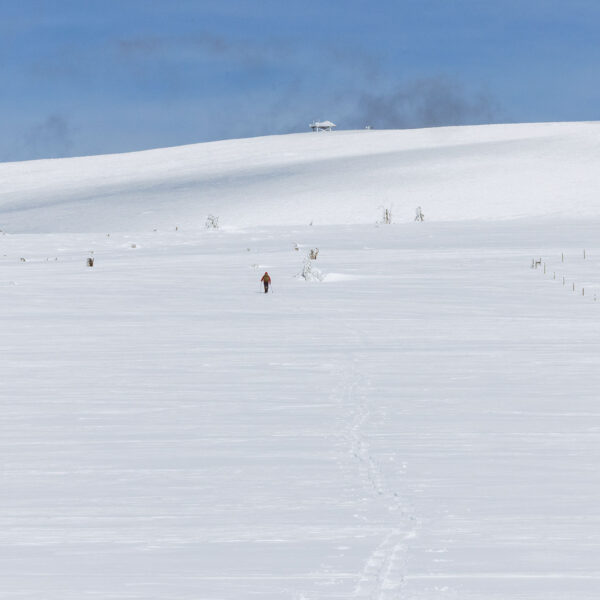
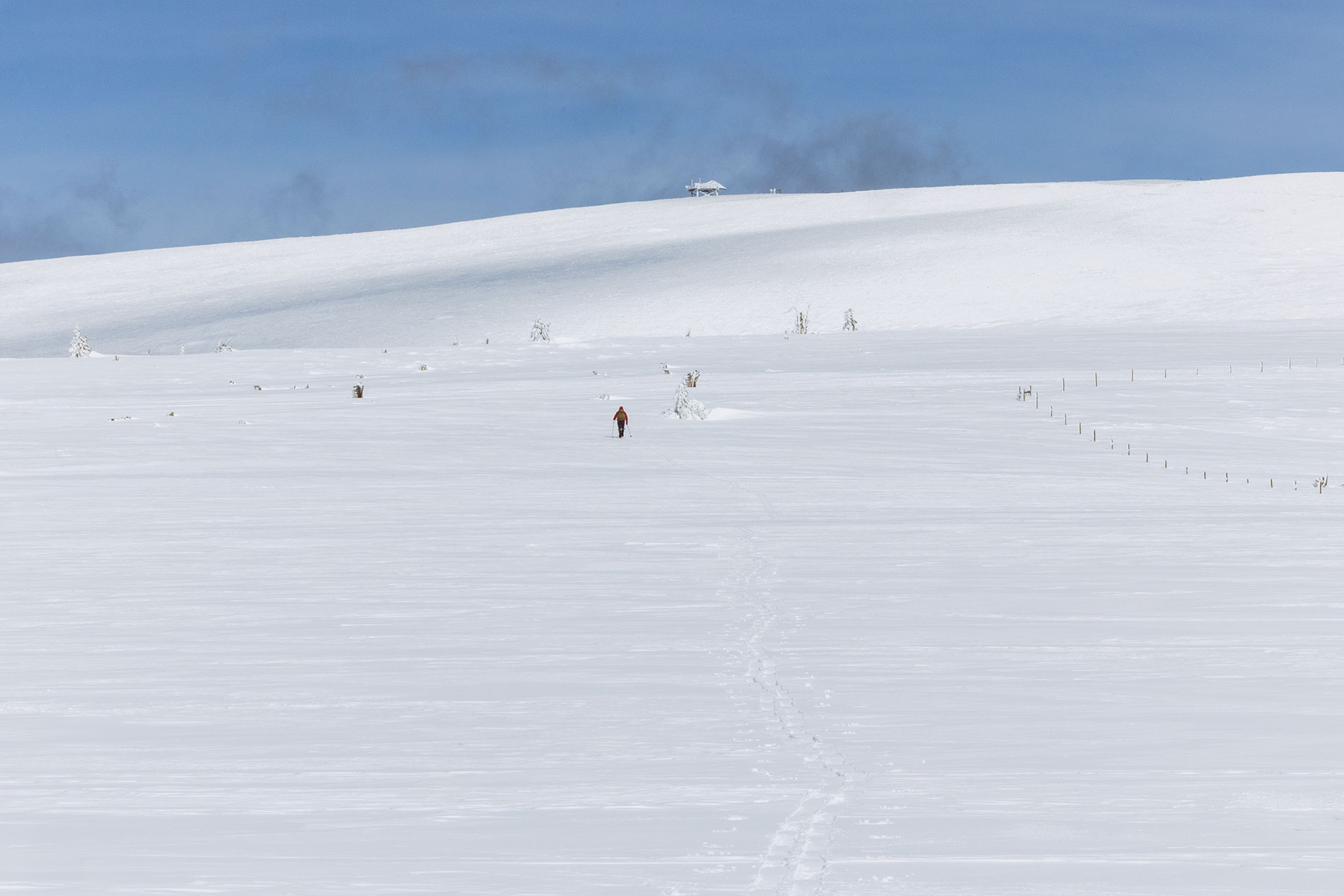
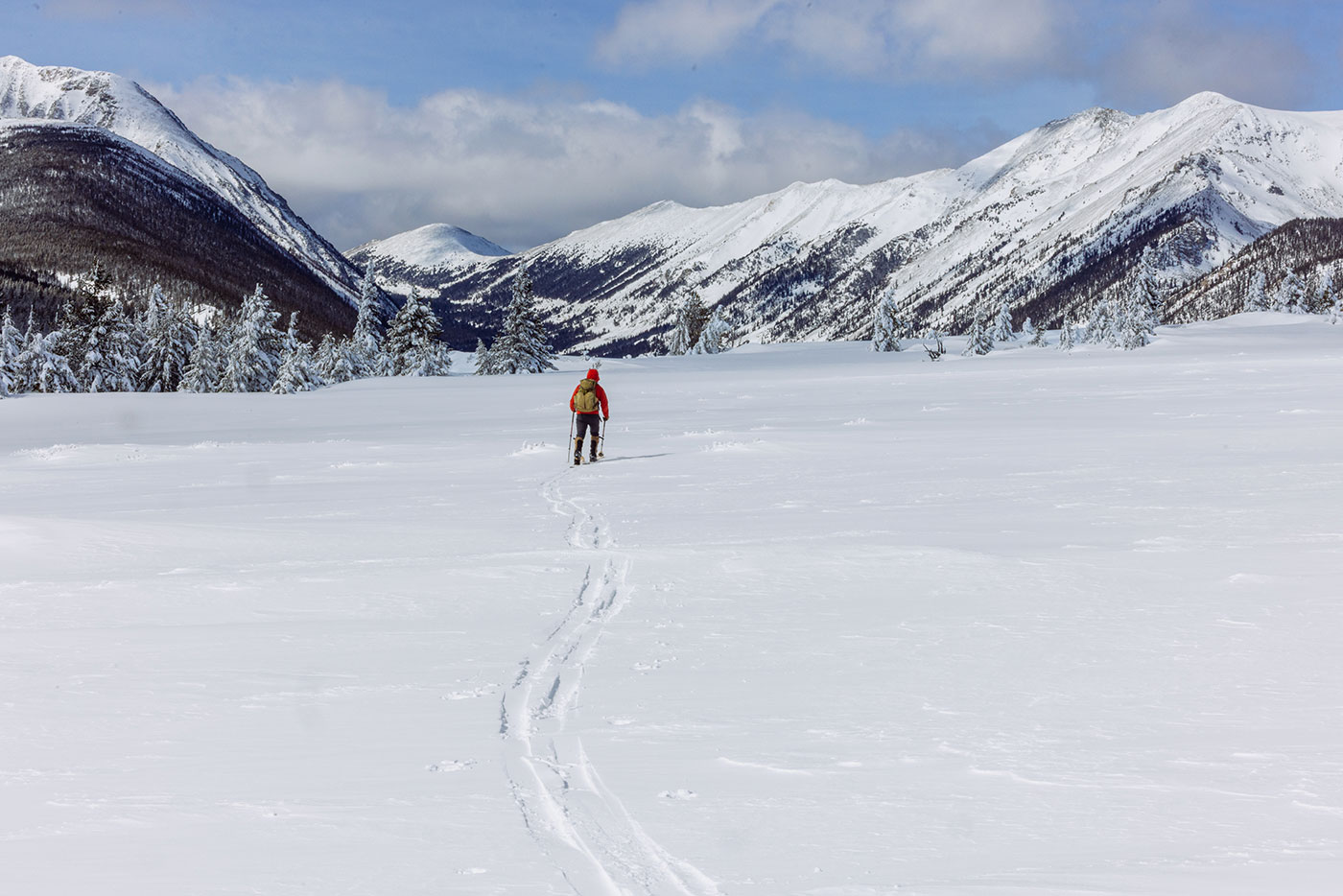
Skier touring across a wide snowfield with tracks leading toward a distant ridge in Montana

One of those moments where everything feels quiet and expansive.

Skier touring across a wide snowfield with tracks leading toward a distant ridge in Montana
Ski-Touring-in-Montana-After-a-Late-Winter-Storm—Snow-Ghosts-&-Arctic-Conditions
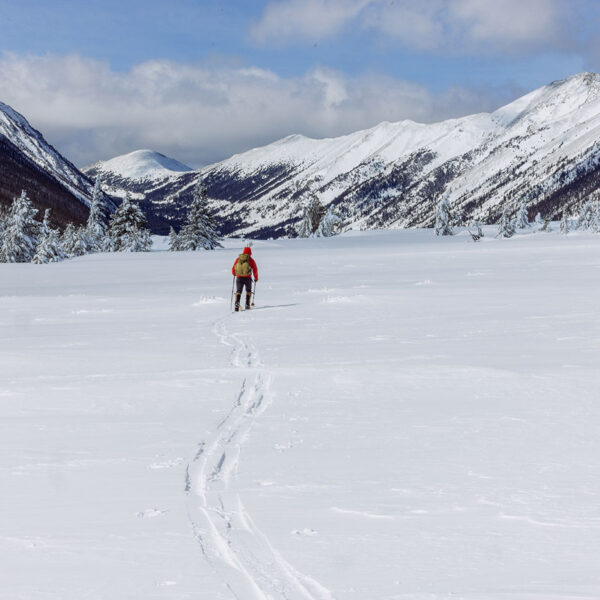
Skier touring across an open snowfield with fresh tracks leading toward snowy mountains in Montana

Moving through open terrain with nothing but fresh tracks and mountains ahead.

Skier touring across an open snowfield with fresh tracks leading toward snowy mountains in Montana
ski-touring-open-snowfield-montana-tracks

Tips for Late-Season Backcountry Skiing in Montana

A few things stood out from the day:

  • Take advantage of short windows: Conditions can shift quickly this time of year. When a storm lines up, it’s worth getting out.
  • Expect mixed snow: Even on a good day, you’ll likely encounter a range of conditions.
  • Pay attention to temperature swings: Warmer temps can quickly turn snow sticky and slow.
  • Be ready for unconventional terrain: We ended up skiing sections of snowmobile tracks, which created these rolling, uneven features which was honestly one of the more fun parts of the day. (You can see what we mean around 21:25 in the video above.)
  • Let the day be what it is: Late-season skiing isn’t always about chasing perfect conditions. Sometimes it’s about being out there while winter still lingers.

Some of the links in this post are affiliate links which means if you make a purchase, we receive a small compensation at no added cost to you. Any purchases you make help keep this blog going and our content free. We truly appreciate your support!

Leave a Reply

Your email address will not be published. Required fields are marked *

Fill out this field
Fill out this field
Please enter a valid email address.

Yellowstone in March & April: What to Expect in Shoulder Season