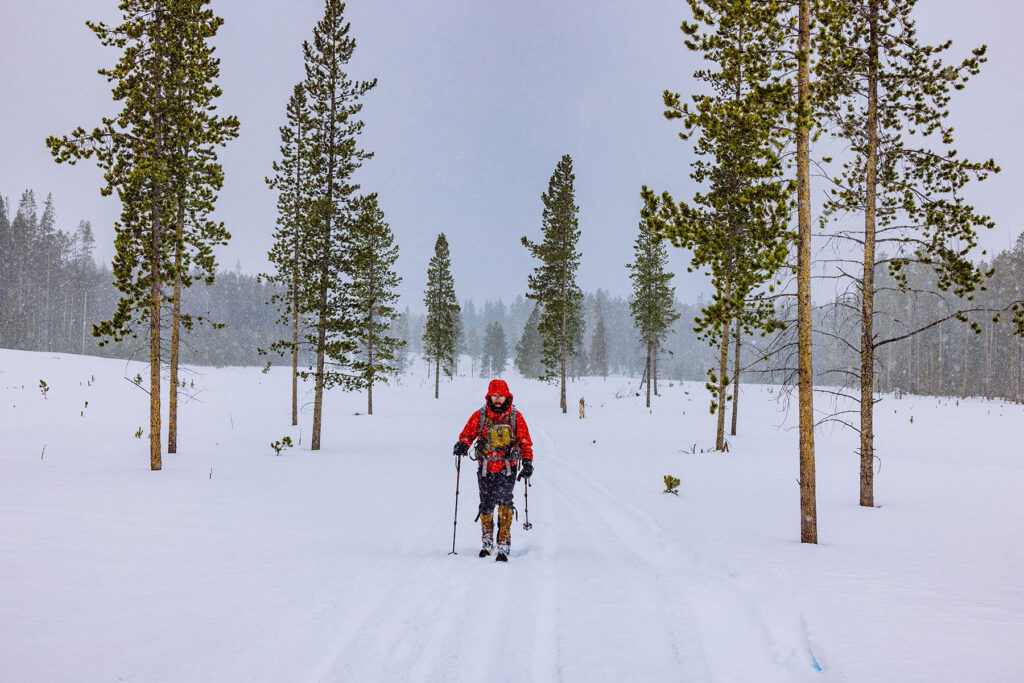
Getting outside in a Montana winter takes a little more preparation, especially when temperatures drop and conditions can change throughout the day. Staying comfortable isn’t just about keeping warm; it’s also about managing sweat, adjusting layers, and being prepared for unexpected delays.
Between snowshoeing, cross-country skiing, and backcountry skiing, we’ve found a few reliable layering combinations and gear essentials that work for us.
This isn’t an exhaustive winter survival checklist. It’s a practical look at what we actually wear and pack for active winter days in Montana, from relatively mild outings to bitterly cold adventures.
What to Expect from Winter Conditions in Montana
Winter in Montana can look very different depending on where you are, your elevation, and the day’s weather. A sunny afternoon on a packed trail near town can feel surprisingly comfortable, while exposed mountain terrain can be bitterly cold.
Before getting into gear, here are a few things we’ve learned to prepare for.
Layering for Different Winter Conditions
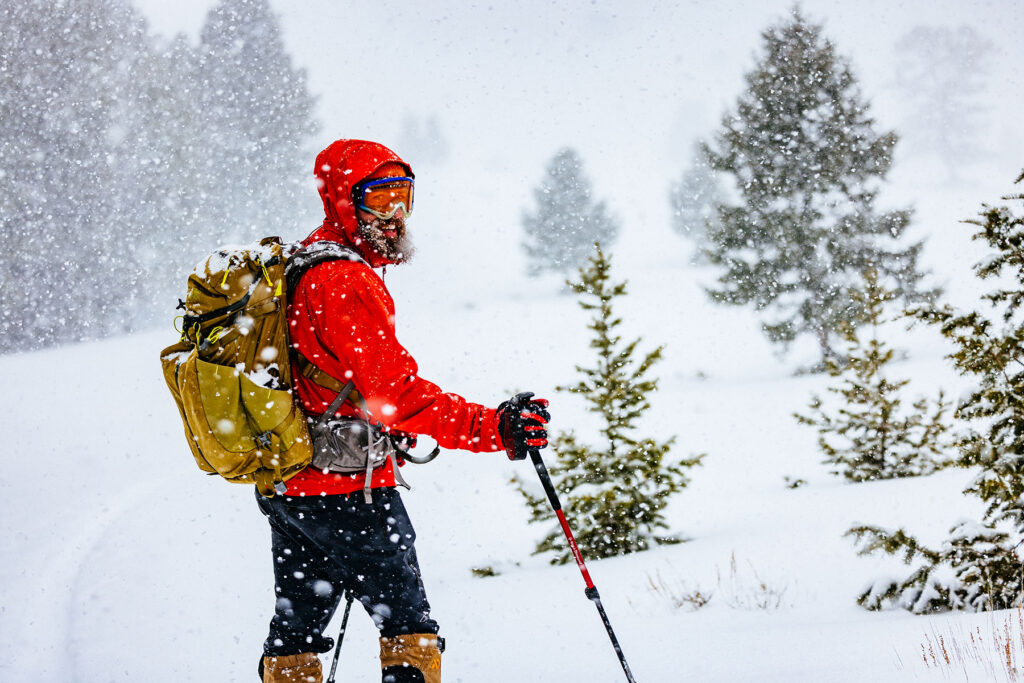
Staying comfortable on active winter outings comes down to managing moisture and adjusting layers as conditions change. We avoid overheating while we move and carry extra insulation for breaks. What we wear depends on the temperature, wind, and how hard the activity is. Here are the two systems we use most: one for typical winter days around 15–30°F, and one for particularly cold days around 0–15°F.
Affiliate Disclosure: Some links are affiliate links, which means we may receive a small commission if you make a purchase, at no additional cost to you. Your purchases help support Backyard Montana and the work we share. 1% of our annual gross revenue is donated to organizations working to protect Montana’s land, wildlife, and public access.
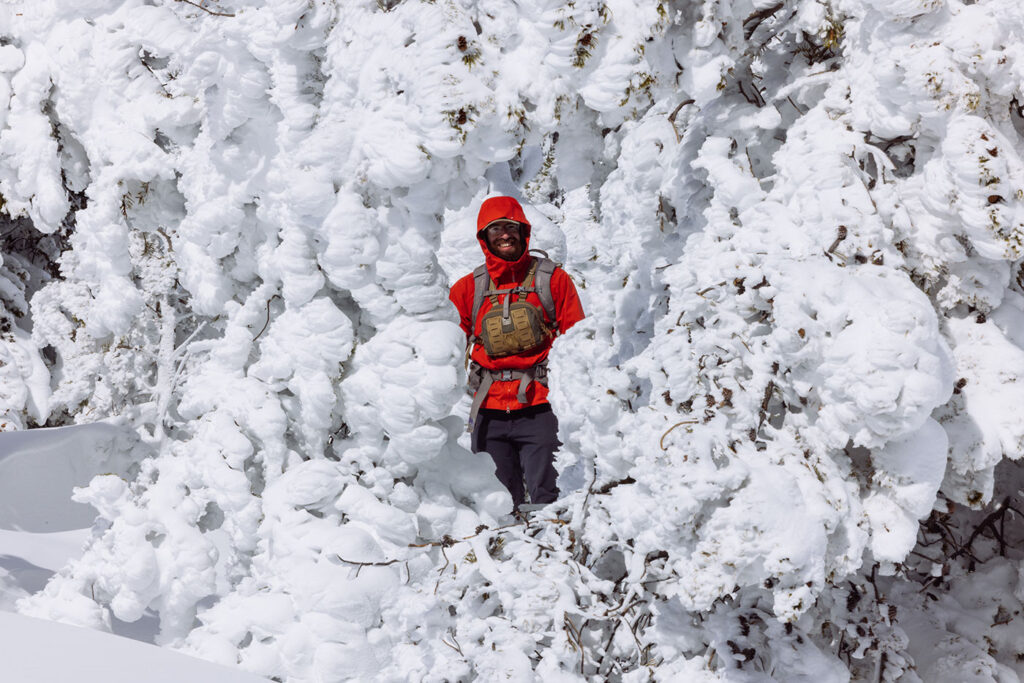
Typical Winter Layers
15–30°F
- Merino Base Layer: Maddie Baselayer Top · Woolx Merino
- Mid Layer: Rab Ascendor Light Hoody · Backcountry · REI
- Shell Jacket: Arc’teryx Beta AR Jacket · REI
- Merino Base-Layer Bottoms: Taylor Baselayer Leggings · Woolx Merino
- Shell Pants: Outdoor Research Trail Breaker Tour Pants · Backcountry · REI
- Gloves: Black Diamond Midweight Gloves · Backcountry · REI
- Puffy: Rab Microlight Down Jacket · Backcountry · REI
- Hat: Brynje Artic 70 Gram Lined Hat · Brynje
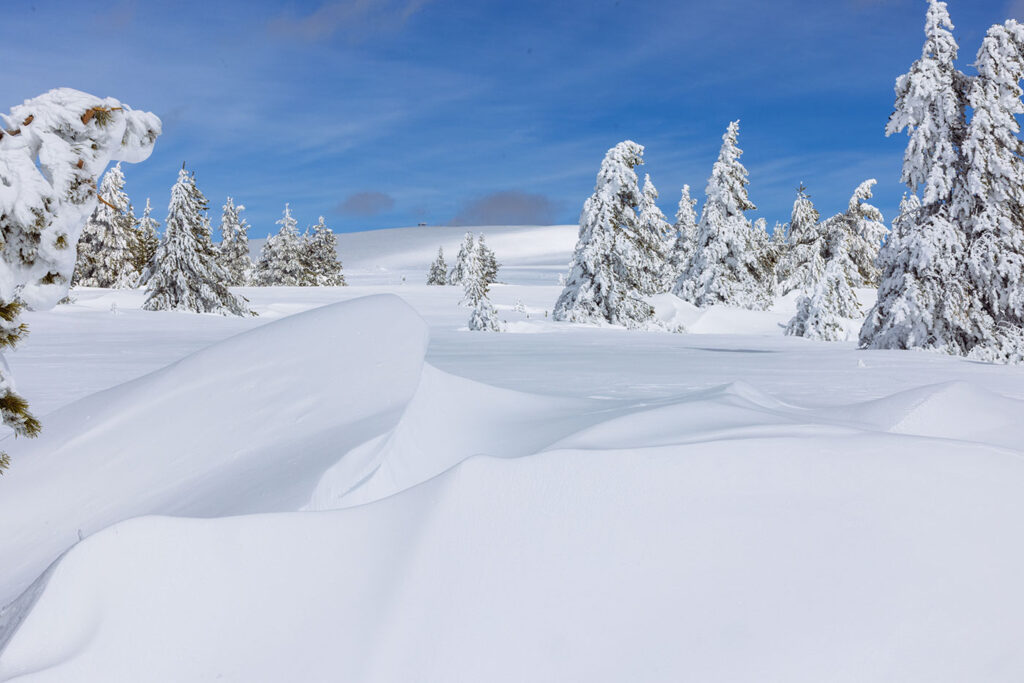
Really Cold Days
0–15°F
- Base Layer: Brynje Wool Thermo Mesh Base Layer · Brynje
- Mid Layer: Woolx Elsa Long Sleeve · Woolx
- Light Jacket: Rab Ascendor Light Hoody · Backcountry · REI
- Base Layer Merino Leggings: Woolx Stella Leggings · Woolx
- Shell Pants: Outdoor Research Cirque Pants · Backcountry · REI
- Heavier Gloves (in addition to midweight gloves) · Reusch
- Heavy Puffy: Rab Neutrino Pro · Backcountry · REI
- Hat: Brynje Artic 70 Gram Lined Hat · Brynje
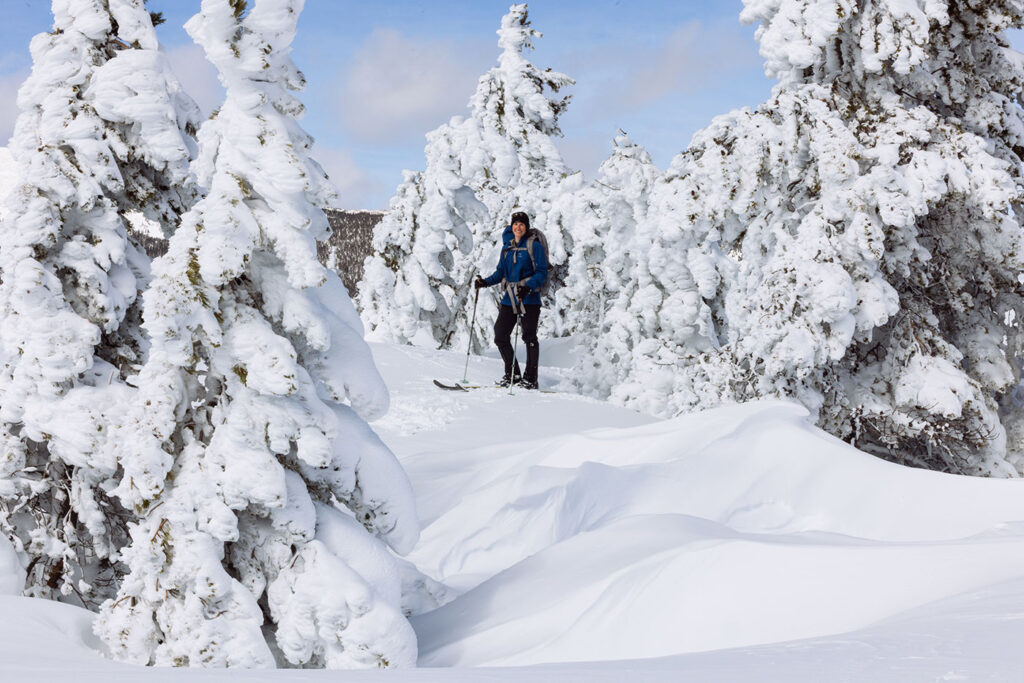
Footwear, Gaiters & Traction
Cold, wet feet end more winter outings than anything else. We keep ours dry and warm with four things: boots, wool socks, gaiters, and traction.
- Boots: Lowa Tibet EVO GTX · Backcountry · REI
- Socks: Darn Tough · Backcountry · REI
- Gaiters: Outdoor Research Gaiters · Backcountry · REI
- Traction: Microspikes · Backcountry · REI
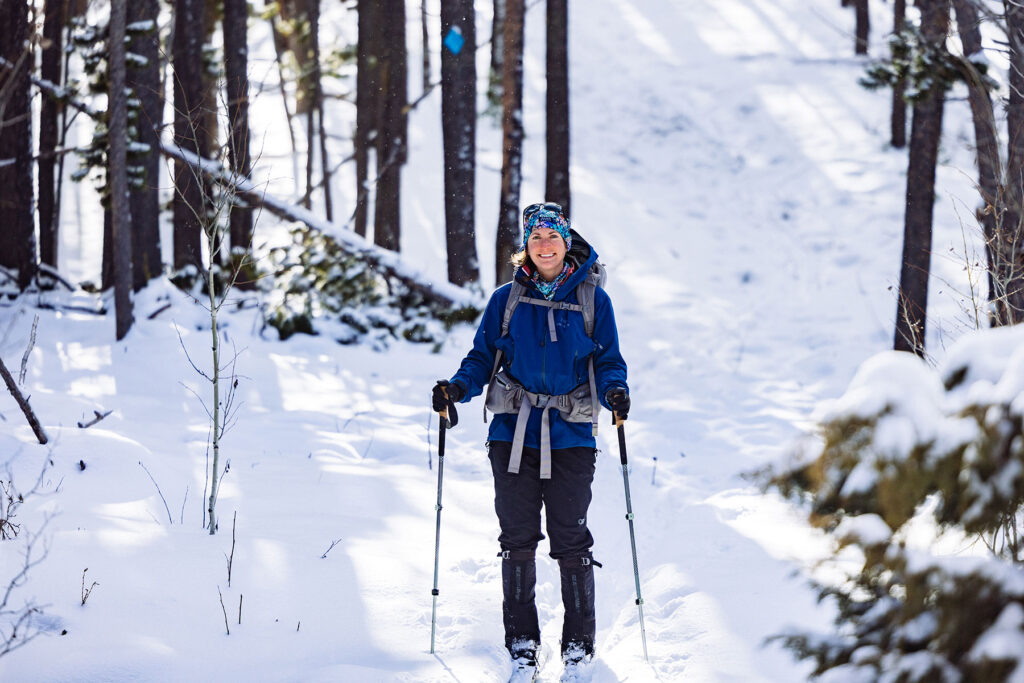
Navigation & Emergency Essentials
Beyond clothing and layers, we carry a few essentials to help us navigate, stay prepared, and handle unexpected situations in the backcountry.
- Offline Maps: Download maps for navigating trails without cell service
- Satellite Communicator: Garmin inReach for messaging, location sharing, and emergency SOS outside cell coverage · REI · Backcountry
- Headlamp: For short winter days and unexpected delays.
- Backup Power: A small power bank for keeping electronics charged.
- Emergency Kit: A compact first-aid kit, emergency bivy, fire starter, and whistle.
In the Car
Winter roads can close or slow without warning, and some trailheads are far from help. Here’s what we keep in the car:
- Ice scraper
- Robust shovel (ideally not plastic which breaks): Ortovox Shovels · Backcountry · REI
- Old sleeping bags or blankets
- Extra water and snacks
- Battery jump starter