Gear

What to Pack for Summer in Montana (Layers, Gear & What Actually Matters)

Packing for summer in Montana can feel simple but once you’re out there, conditions can shift quickly.

Even on a single day, you might move between hot sun, wind, cooler alpine air, and long stretches without much shade. Most of our summer days are spent outside for hours at a time whether that’s hiking, running, wandering off-trail, or stopping frequently to take in the landscape.

This isn’t a full checklist of everything you could bring. It’s what we’ve actually found works for us on summer days in the Montana mountains and what ended up mattering most.

What to Expect from Summer Conditions in Montana

Before getting into gear, it helps to understand what you’re packing for.

Summer in Montana often means:

Large temperature swings

Montana’s climate varies depending on where you are. High elevation areas like Southwest Montana tend to be drier, while places like Glacier and the Beartooths can feel noticeably more humid.

Elevation also has an impact. It can feel warm in the sun and noticeably cooler in the shade, even within the same stretch of time. We did a temperature test in July around 9,300 feet and saw temperatures range from about 50°F to 80°F between full shade and full sun.

Strong Sun

The sun here is intense during the summer, particularly in open terrain, so you’ll want to have adequate sun protection.

Wind Exposure

If your hike includes mountain passes, ridge lines, or wide open hillsides – expect some wind. If most of your time is spent at higher elevations, the wind can be tiring and make it feel significantly cooler.

Dry trails and uneven terrain

By mid-late summer the trails can get pretty dusty. Rugged terrain at higher elevations often requires more attention to footing and can get tiring over a long day.

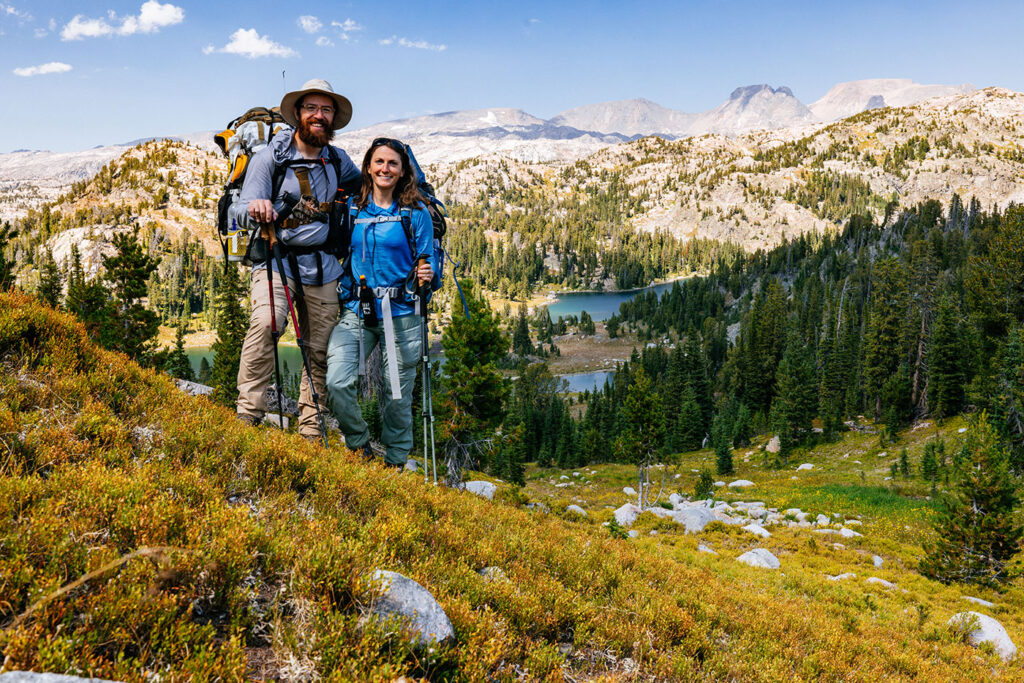
Two hikers standing above an alpine lake with mountain views in Montana during summer
Hiking in Montana's high country: A long day outside with changing terrain, elevation, and views around every corner.

How We Pack for a Full Day Outside (comfort matters more than anything)

Layers

Layering is easily the most important part of packing for summer days in the mountains.

Tops: We both typically wear Ridge Merino‘s long sleeve tops. We’ve found merino to work especially well in Montana’s conditions for both sun protection and breathability. These are lightweight, comfortable for long days, and don’t retain odor like synthetic materials.

Pants: We both like Fjällräven’s midsummer zip off trousers. We recommend lighter colors to reflect the sun, dark colors absorb more of the sun’s heat. We enjoy them as pants in the cool mornings and late evenings, and the ability to turn them into shorts on extremely hot days. They seem to hold up pretty well to abrasion for our off trail adventures.

Lightweight Jacket: We just bring a rain jacket since it also works for wind too. It’s also great as an extra warmth layer for early morning or sunset hiking.

Good Pair of Socks: We’re big on merino, and use the Darn Tough socks that have a higher merino content. The merino content does vary between their socks and we’ve liked the ones with higher merino best.

Shop what we use: 

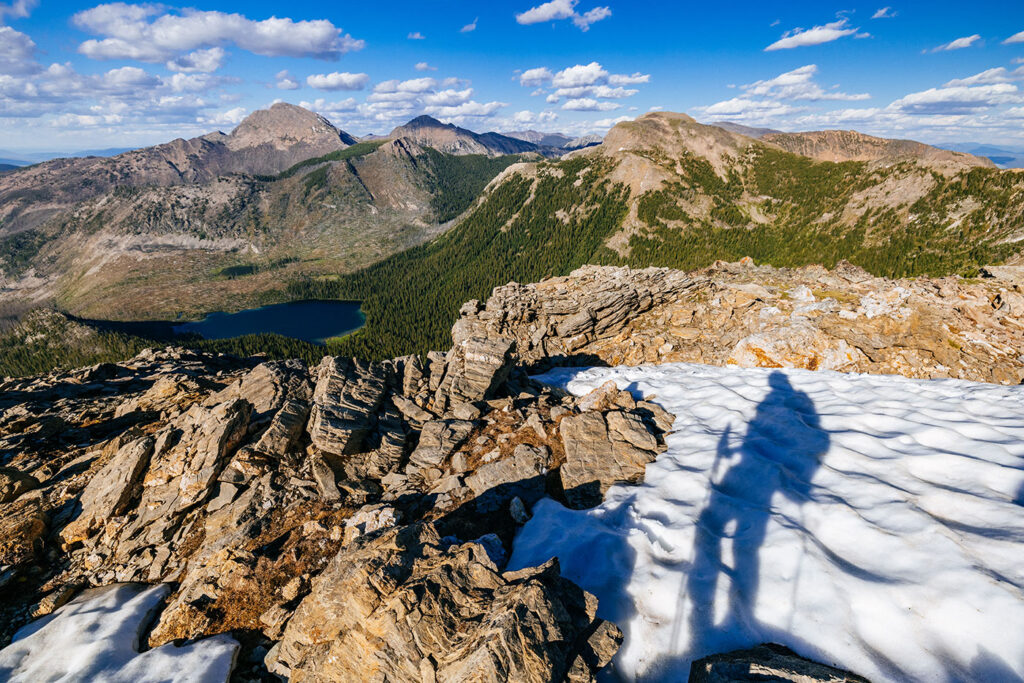
Rocky alpine terrain in Montana with lingering snow patches and mountain lake views below
Still finding lingering snow at higher elevations in early July.

Footwear

For most of our summer outings, comfort matters more than having the “perfect” shoe.

For Easy On Trail Hikes: We both like Topo Athletic’s trail runners for well maintained trails. They’re more breathable, lightweight, and comfortable than a full hiking boot.

For Off Trail Hikes: We switch to hiking boots when going off trail or more rugged trails. We both have Asolo Evo Backpacking Boots for off trail adventures where you’ll want boots with more ankle support in uneven terrain.

Just make sure your shoes fit the adventure and provide the stability and comfort you need. You’ll want to remember to break them in before using them on hikes in case something doesn’t work out. Blisters or sore feet will cut a day short faster than anything else. So whatever you wear, make sure it’s something you trust.

Shop what we use: 

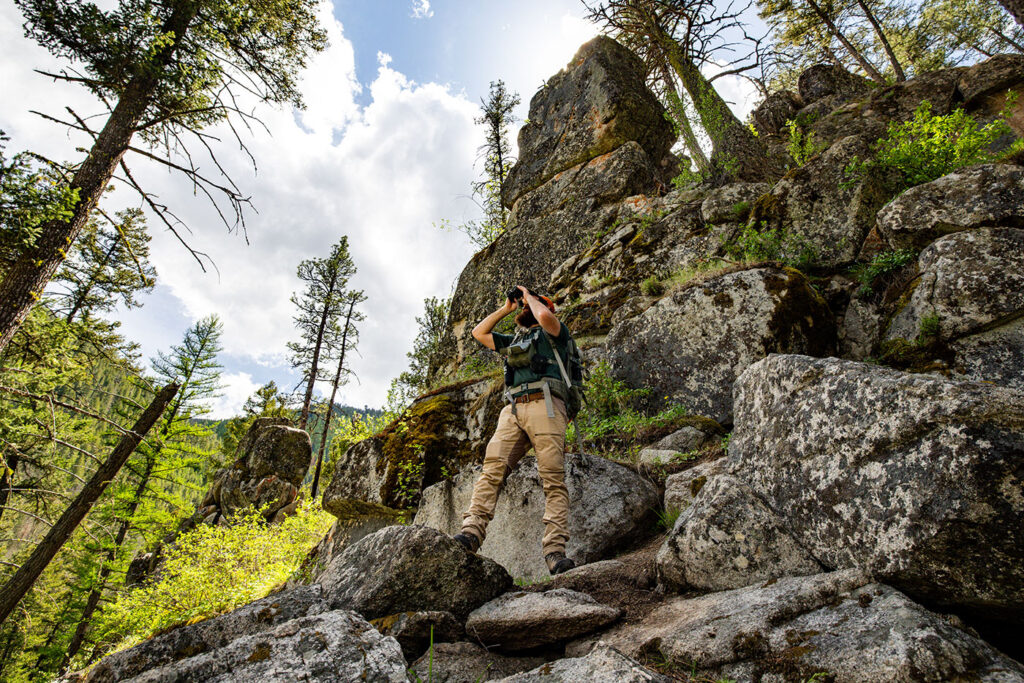
Hiker navigating rocky uneven trail terrain in Montana during summer
When hiking on rocky uneven terrain, footwear that feels stable and comfortable makes a big difference over a full day.

Pack & Essentials

We try to keep things pretty minimal.

On most day hikes we bring:

  • Water (either enough for the day, or lately we bring a small water filter like Katadyn Befree when we know we’ll have reliable water sources and to cut weight)
  • Snacks or lunch
  • Bear spray
  • Sunglasses
  • Sunscreen
  • Lip balm with SPF
  • A hat
  • An extra layer if it’s a cool day or going to high elevation

That’s usually enough for the day hikes we’re having moving between short hikes, open terrain, and time outside.

Emergency hiking kit laid out on a backpack including compass, first aid supplies, lighter, and water purification tablets
A small emergency kit adds peace of mind for longer days or more remote terrain.

Navigation & Backup

Navigation: We typically use our phones and OnX for navigation, but still keep an inReach Garmin GPS in our emergency kit.

Emergency Kit: We keep an emergency kit with a wilderness medicine guide, tick tweezers (mostly for spring), gauze, antiseptic, medication, bandages, and more. We also sell small emergency kits that come organized, and you can easily add anything specific you might need (like an inhaler, knife, or water purification tablets).

Shop what we use: 

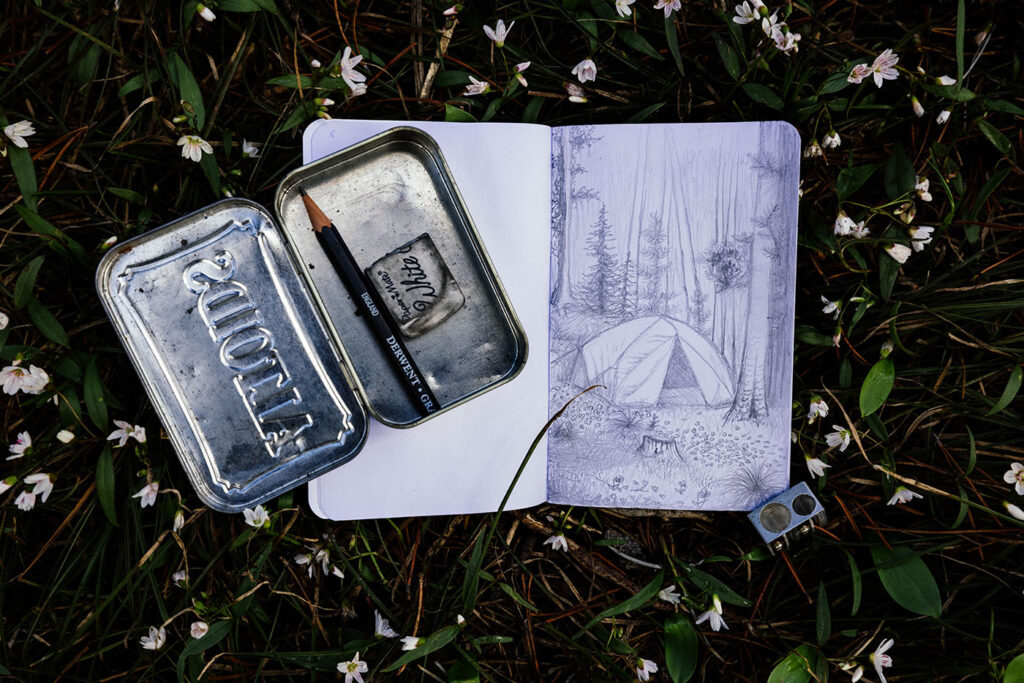
Small sketchbook with a pencil and tin case on the forest floor with a hand-drawn campsite sketch surrounded by small white flowers
A small sketchbook is an easy way to slow down and take in where you are.

Fun Extras

These aren’t necessary but they’re often what make a good day feel memorable.

Binoculars: Mitch usually carries binoculars to find wildlife. There have been many times where we’re hanging out in an area and he spots wildlife high on cliffs or distant hillsides that we wouldn’t have noticed with the naked eye.

Hammock: When we know we want a relaxed day, we will bring a hammock.

Mini sketchbook or watercolor kit: These can be fun to DIY and create a one of a kind memento.

Electrolytes: Not always necessary for a dayhike, but electrolytes are a nice boost on hot sweaty days.

Keep Exploring Montana

Some of the links in this post are affiliate links which means if you make a purchase, we receive a small compensation at no added cost to you. Any purchases you make help keep this blog going and our content free. We truly appreciate your support!

Leave a Reply

Your email address will not be published. Required fields are marked *

Fill out this field
Fill out this field
Please enter a valid email address.

Ski Touring in Montana After a Late Winter Storm (Snow Ghosts & Arctic Conditions)