The Pioneer Mountains are one of southwest Montana’s most rugged and rewarding mountain ranges. Rising between Butte and Dillon, the range is home to jagged granite peaks, countless alpine lakes, historic mining landscapes, and some of the quietest backcountry we’ve experienced in Montana.
Whether you’re looking for a scenic drive, a day hike into alpine country, a weekend camping trip, or a chance to spend time exploring Montana’s high country, the Pioneer Mountains offer a wide variety of outdoor experiences.
In This Article:
Where are the Pioneer Mountains?
The Pioneer Mountains stretch across southwest Montana between Butte and Dillon within the Beaverhead-Deerlodge National Forest. Most visitors access the range from Wise River, Melrose, or Polaris, depending on which side of the mountains they’re exploring.
The range is often divided into the East and West Pioneers. While both offer exceptional recreation opportunities, the East Pioneers are particularly known for their dramatic alpine terrain, rugged granite peaks, and expansive high-country basins.

What Makes the Pioneer Mountains Special?
The Pioneer Mountains have a distinctly different feel from many of Montana’s better-known mountain ranges. The landscape is rugged and dry, with steep granite ridges rising above dense forests, alpine meadows, and a surprising number of mountain lakes scattered throughout the high country.
Several of these alpine lakes are home to Arctic grayling, one of Montana’s most distinctive fish species. Recognized by their large, sail-like dorsal fins, grayling are a special part of the Pioneer Mountains and a memorable sight for anglers and wildlife enthusiasts.
The range also contains evidence of Montana’s mining history, including historic mining sites and nearby ghost towns, such as Coolidge.
The East Pioneer Mountains are currently managed as a Recommended Wilderness. We’d love to see this landscape permanently protected through full Wilderness designation, helping preserve the wild character and natural beauty that make this range so special.
The combination of rugged scenery, alpine recreation, historic landscapes, and unique wildlife makes the Pioneer Mountains one of our favorite places to explore in southwest Montana.
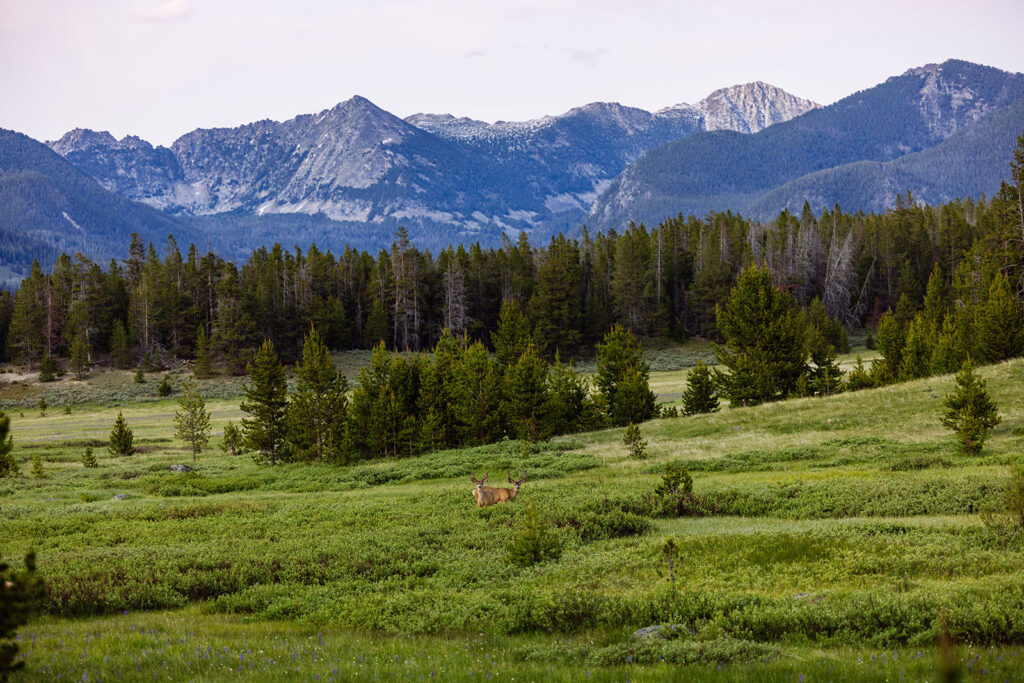
The Pioneer Mountains Scenic Byway
The Pioneer Mountains Scenic Byway offers one of Montana’s most scenic mountain drives, connecting Wise River and Polaris through the heart of the range.
The route winds through forests, mountain meadows, historic sites, and public lands while providing access to campgrounds, trailheads, fishing opportunities, and spectacular mountain scenery.
During winter, the byway closes to regular vehicle traffic and is groomed for snowmobile recreation, making it a popular destination for snowmobiling, cross-country skiing, and other winter adventures.
If you’re planning a drive through the area, we’ve also put together a guide highlighting what you can see along the Pioneer Mountains Scenic Byway.
Best Time to Visit
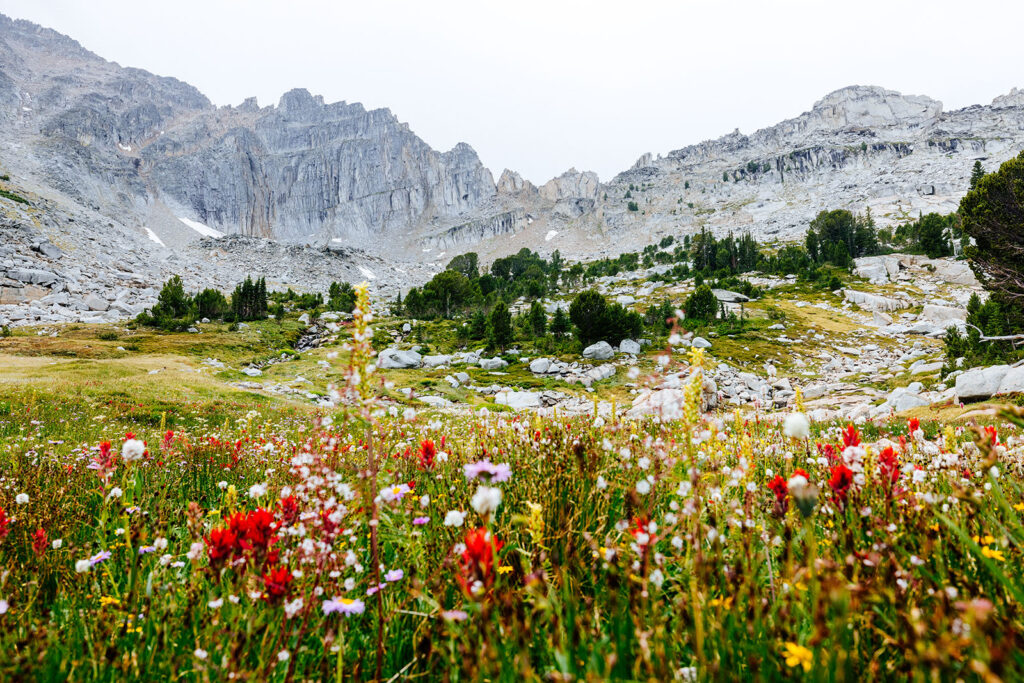
Most visitors explore the Pioneer Mountains between late June and September when higher elevations have largely melted out and mountain roads are open.
Early summer brings wildflowers and flowing creeks, while mid-late summer provides excellent hiking, backpacking, fishing, and camping opportunities. Cooler temperatures and changing vegetation make early fall another beautiful time to visit.
Mountain weather can change quickly throughout the season. Afternoon thunderstorms, strong winds, freezing overnight temperatures, and lingering snowfields at higher elevations are possible even during summer. Because of the range’s high elevations and relatively dry climate, temperatures often drop rapidly once the sun sets. Even after a warm afternoon, evenings can become surprisingly cold, so packing extra layers is always recommended.
During winter, deep snow limits vehicle access throughout much of the range. The Pioneer Mountains Scenic Byway closes seasonally and becomes a groomed snowmobile route, opening the mountains to winter recreation.
Finding Trails in the Pioneer Mountains
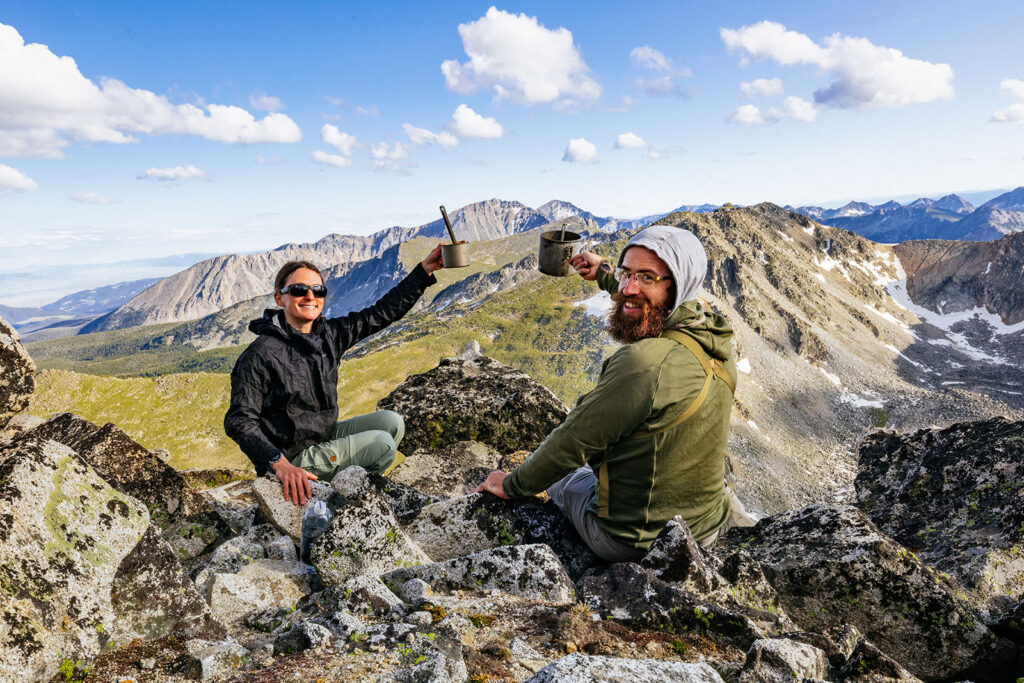
We use OnX to research public lands, discover new areas to explore, and better understand terrain before heading into the mountains. We primarily use OnX Hunt because it includes property ownership information, although OnX Backcountry offers similar mapping specifically for hiking and backpacking.
Rather than publishing detailed trail guides, Backyard Montana encourages visitors to explore responsibly, carry current maps, and choose destinations that match their experience level and seasonal conditions.
Day Hiking Opportunities
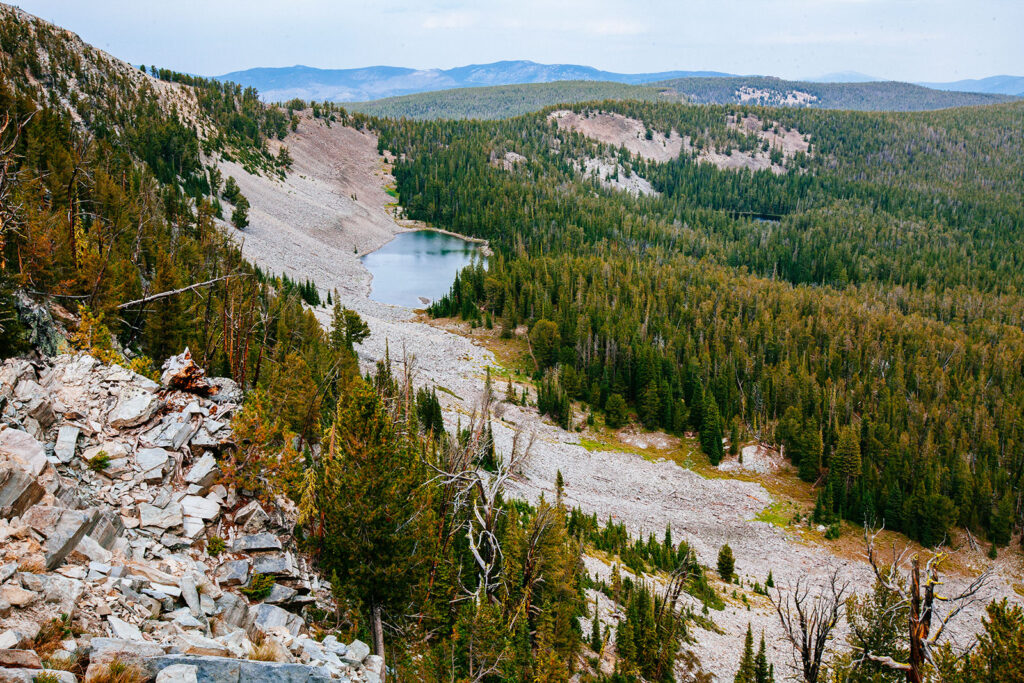
The Pioneer Mountains offer an incredible variety of day hikes, from alpine lakes and mountain passes to challenging summit objectives.
Terrain ranges from forested valleys to rocky alpine ridgelines, allowing visitors to experience everything from wildflower meadows and fishing lakes to expansive mountain views.
Before beginning any hike, research current trail conditions, weather forecasts, wildfire restrictions, and seasonal access information.
Day Hiking Essentials
We only recommend gear we’ve personally used and trust in the backcountry. Some links are affiliate links, which means we may receive a small commission if you make a purchase, at no additional cost to you. Your purchases help support Backyard Montana and the work we share. 1% of our annual gross revenue is donated to organizations working to protect Montana’s land, wildlife, and public access.
Recommended Day Hiking Gear
Suggested pack list:
Backpacking and Camping
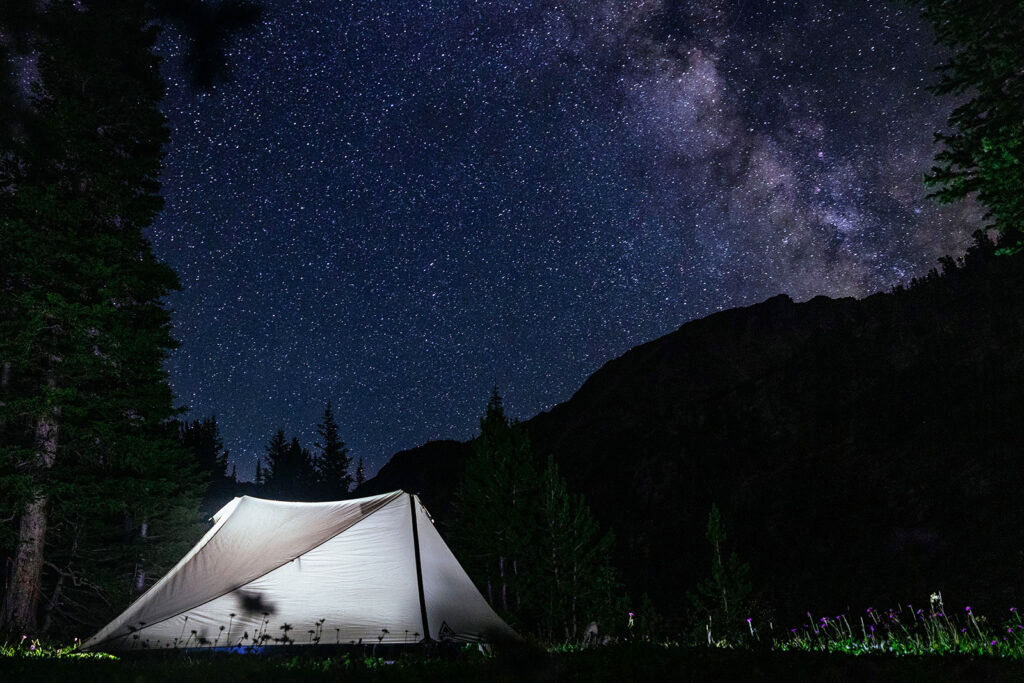
Backpacking is one of the best ways to experience the Pioneer Mountains. Multi-day trips allow visitors to explore high alpine basins, fish mountain lakes, photograph sunrise and sunset from camp, and experience the changing character of the landscape throughout the day.
Visitors should always practice Leave No Trace principles, follow current fire restrictions, and prepare for changing mountain conditions.
Backpacking Essentials
We only recommend gear we’ve personally used and trust. Some of the links below are affiliate links, which help support Backyard Montana at no additional cost to you.
Recommended Backpacking Gear
Suggested pack list:
Wildlife and Safety Considerations
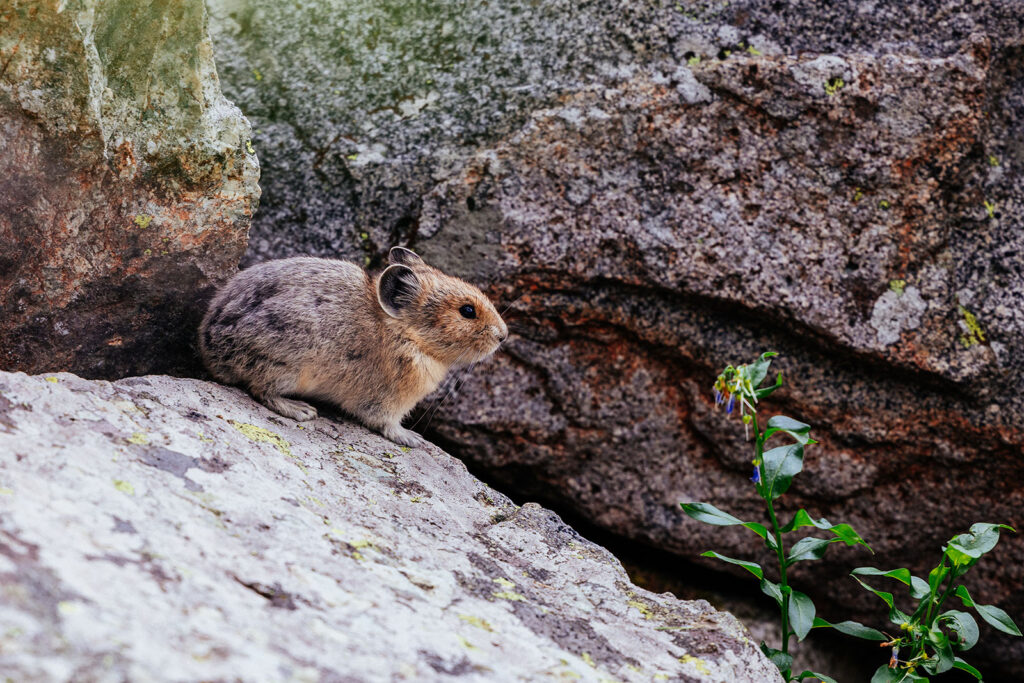
The Pioneer Mountains are home to elk, black bears, deer, moose, mountain goats, pika, and numerous other alpine species.
Carrying bear spray and knowing how to use it is strongly recommended. Visitors should also store food properly and maintain safe distances from wildlife at all times.
Other important considerations include:
- Rapid weather changes
- High-elevation exposure
- Limited cell service
- Stream crossings during spring runoff
- Long distances from emergency services
Proper planning and preparation can help ensure a safe and enjoyable wilderness experience.
Planning Your Visit
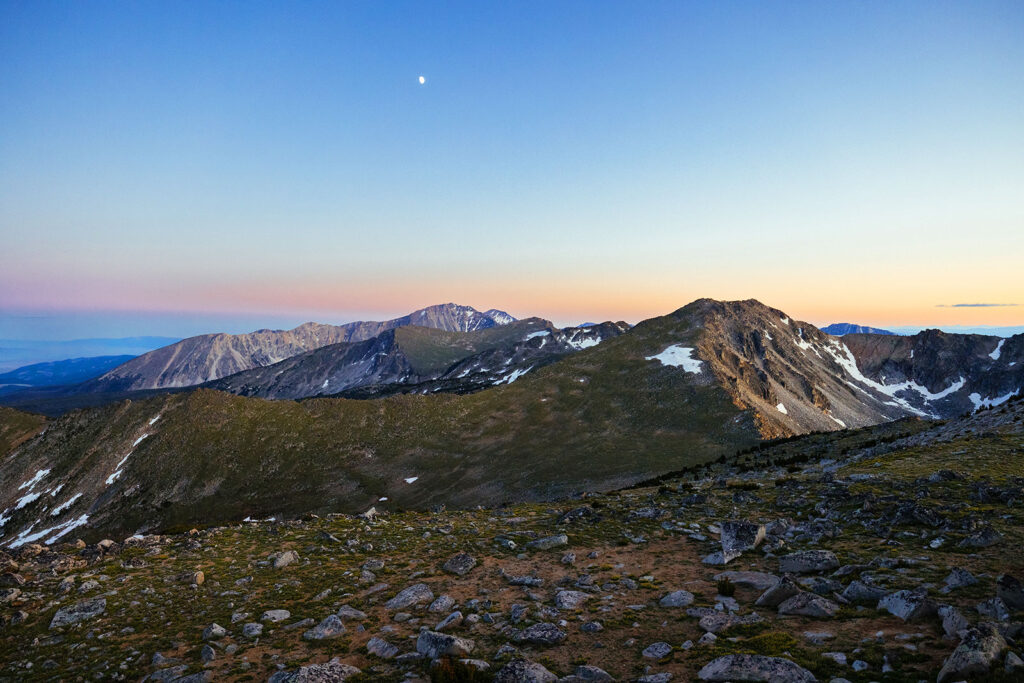
The Pioneer Mountains showcase some of southwest Montana’s finest alpine scenery. Whether you’re driving the scenic byway, fishing a mountain lake, hiking into the high country, or spending several days backpacking through the range, there’s no shortage of opportunities to experience these public lands.
Rather than focusing on a single destination, we encourage visitors to slow down, prepare well, and experience the Pioneer Mountains responsibly. Part of what makes this range so rewarding is discovering your own favorite places along the way.
One thing worth planning for is access. While the Pioneer Mountains Scenic Byway is generally well maintained during the summer season, many trailhead roads become considerably rougher, with uneven surfaces and sharp, rocky stretches. Depending on where you’re headed, a vehicle with good ground clearance and durable tires can make the drive much more comfortable. As always, road conditions can change throughout the year, so it’s worth checking current conditions before your trip.


