
Helpful

Hiking in Montana: Things You Should Know

Intro

Hiking in Montana can feel a little different than what you might expect, especially when it comes to access, navigation, and overall trail conditions. Trails aren’t always well-marked, maps can be inconsistent, and getting to a trailhead often takes a bit more planning than just plugging a location into your phone and heading out.

After spending time exploring different ranges across the state, we’ve learned that a little extra preparation goes a long way. These are a few things that have stood out to us and what’s helpful to know before heading out into Montana’s mountains.

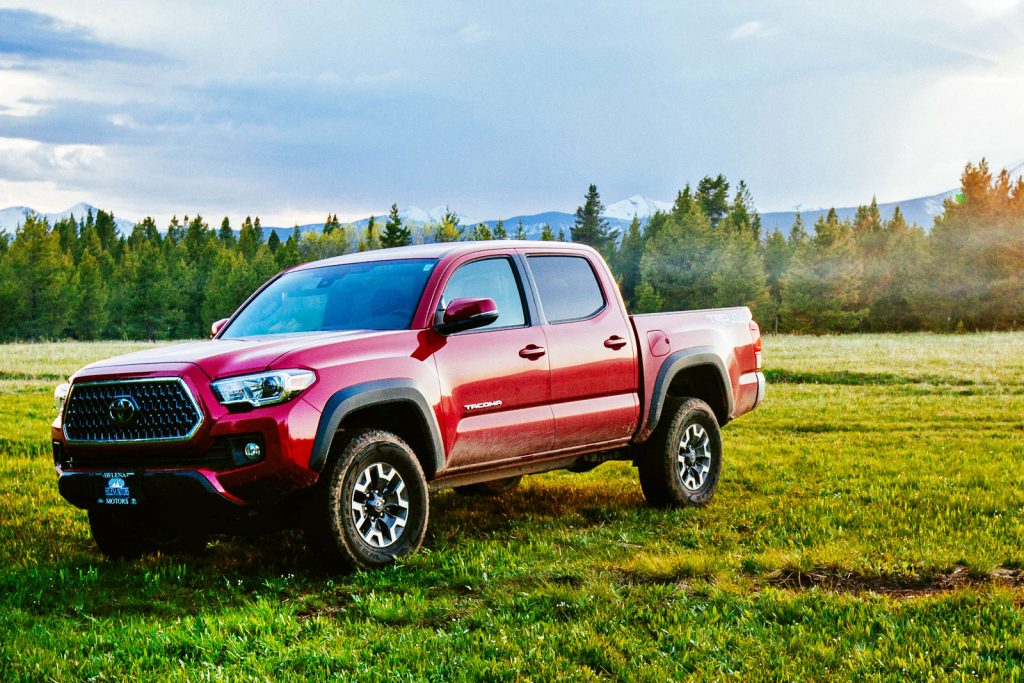
Getting to Trailheads Often Requires High Clearance

We moved to Montana with a Subaru Crosstrek and Impreza, assuming the Crosstrek’s clearance would be enough to get us to most trailheads. The access we were used to was off well-maintained roads, so it didn’t take long to realize things work a bit differently here.

Many trailheads are reached via Forest Service roads that aren’t always well maintained. It’s common to encounter sharp rocks, deep ruts, and potholes that can be rough on lower-clearance vehicles. After one summer, we understood why a higher clearance vehicle makes a difference.

If you’re planning to explore more remote areas, it’s worth considering a high clearance vehicle or at least researching the trailhead access. Whether that’s renting one, going with someone who has one, or planning your routes accordingly.

Be Bear Aware When Hiking in Montana

Southwest Montana is home to both black bears and grizzly bears, and each has different behaviors and characteristics worth understanding.

If you’re new to hiking in bear country, it’s helpful to spend a little time learning the differences. This video from wildlife biologist John Waller is a great place to start, and Montana Fish, Wildlife & Parks has a useful guide for identifying each species.

Carrying bear spray is essential when hiking in Montana. You can find it at most outdoor stores across the state, and it’s something we always bring with us. We’ve also put together a helpful guide including helpful tips for hiking and backpacking in bear country.

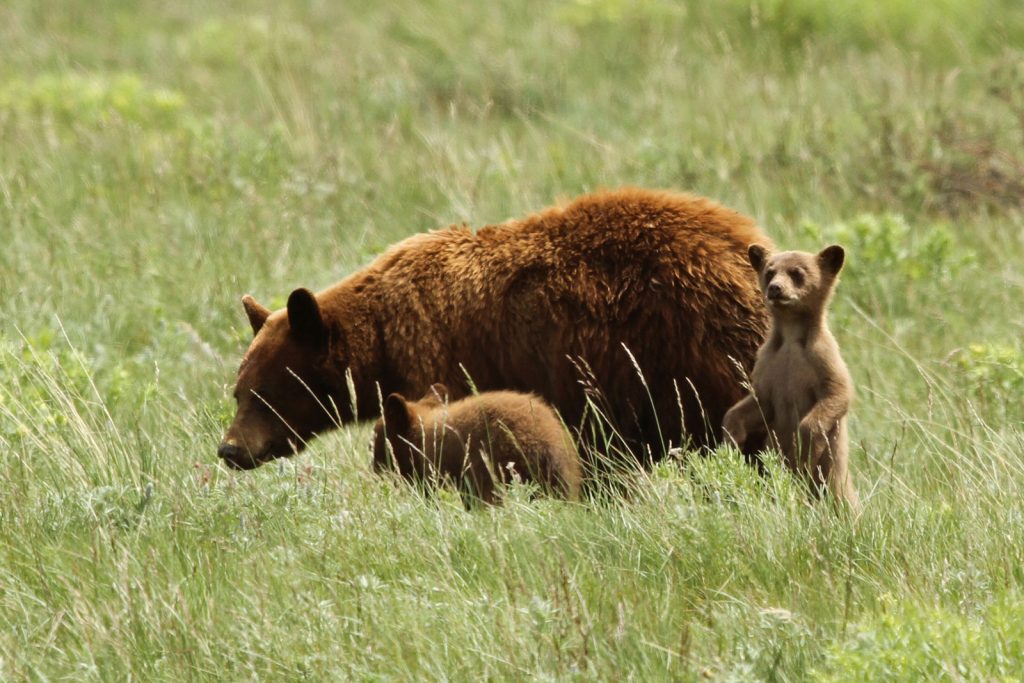
Think this is a Grizzly bear family? It’s actually a Black bear family in their cinnamon color phase!

Maps Aren’t Always Detailed or Easy to Find

When we moved to Butte, we were excited to be surrounded by so much public land. We assumed it would be easy to find trails and maps for the surrounding ranges but quickly realized it takes a bit more research here.

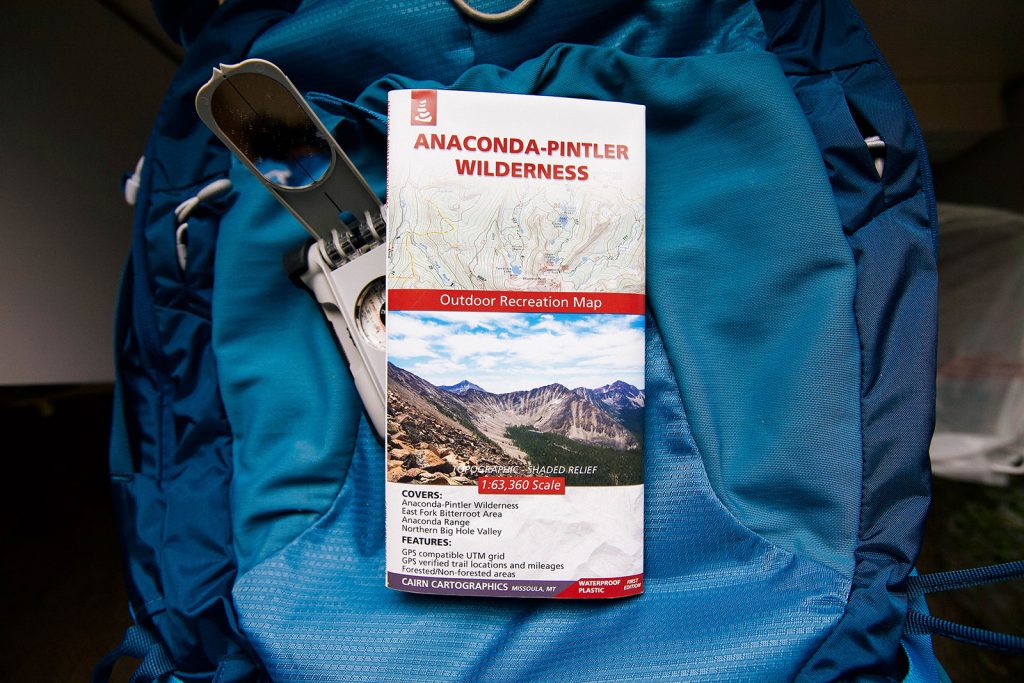
While there are plenty of trails throughout Montana’s National Forests, they aren’t always well documented. Detailed maps can also be hard to come by. Some Forest Service maps include topography and trail locations, but don’t list mileage, which makes it harder to estimate distances and plan your day.

Over time, we’ve found a few independent cartographers creating maps of nearby ranges, but some mountain ranges do not have detailed trail maps.

Not all trails are well-marked

We learned pretty quickly that hiking in Montana often requires a bit more research ahead of time. Trailheads aren’t always clearly marked. Some don’t have kiosks and it’s not always obvious when you’ve arrived at the right place.

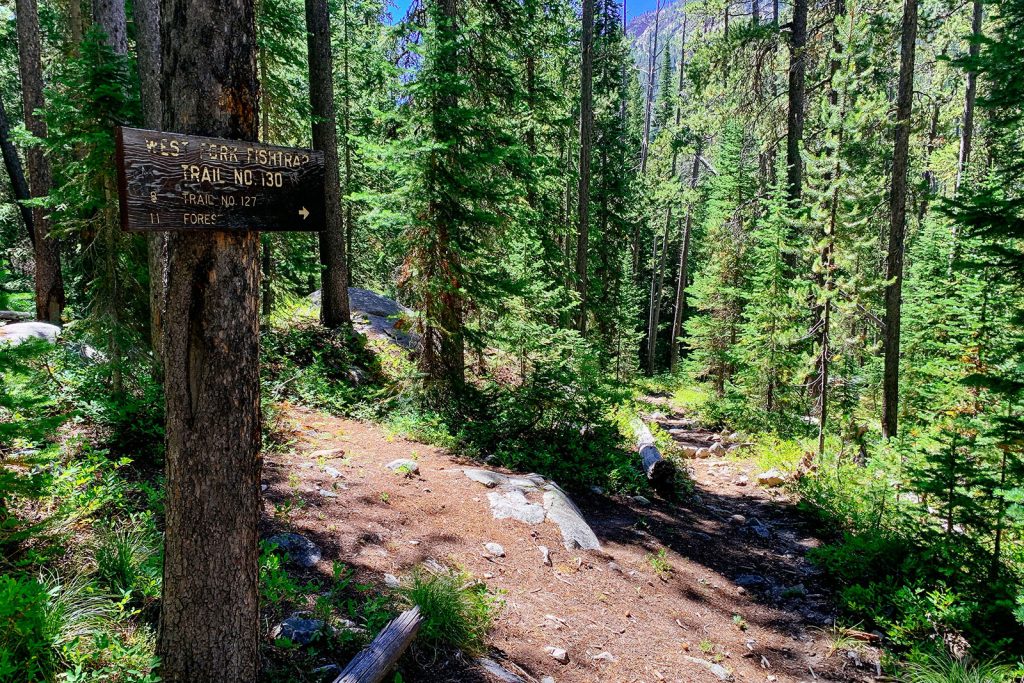
On the trail, intersections may lack directional signs or be labeled by trail number instead of destination, which can be confusing if you’re not familiar with them. We’ve also come across trails that appear on maps but are no longer maintained or easy to follow.

Because of that, it’s helpful to cross-reference a few different sources like satellite imagery, maps, and GPS tools to get a clearer picture before heading out.

Mountain Weather Can Be Very Different from the Valleys

Mountain weather can be very different from what you experience down in the valleys. As you gain elevation, temperatures drop often around 3.5–5°F for every 1,000 feet so it can feel significantly cooler where you’re hiking than where you started.

Weather in the mountains is also more unpredictable. Storms can build quickly, and it’s not uncommon to see clouds and rain over higher terrain while nearby towns have blue skies. It’s worth checking the forecast for the specific area you’ll be hiking and packing for changing conditions.

Many Higher Elevation Trails Aren’t Accessible in Winter

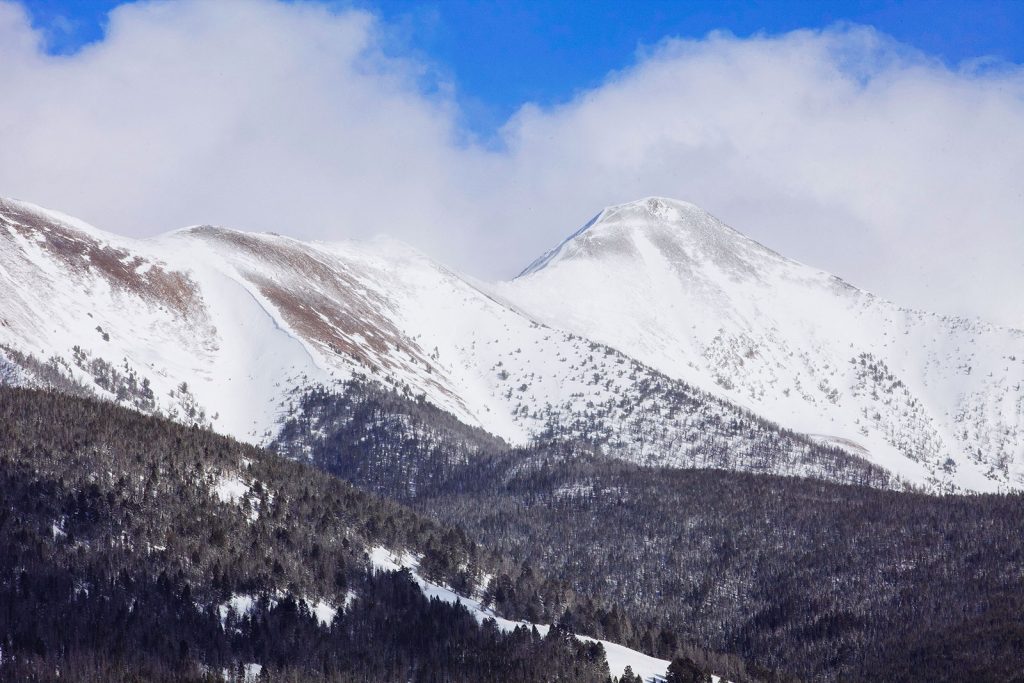
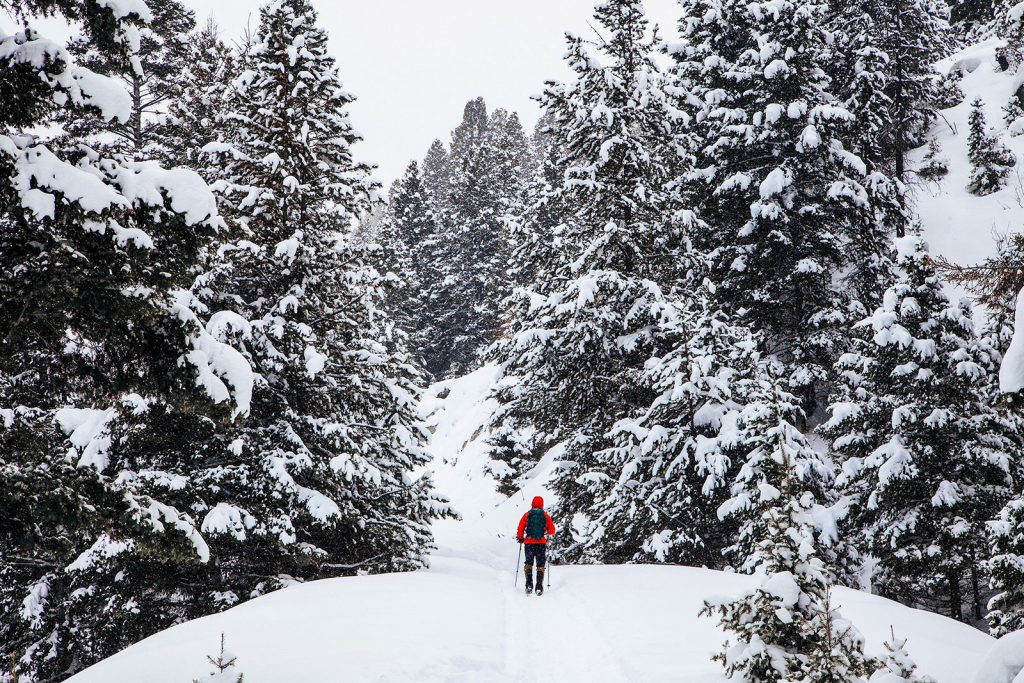
Many of the higher elevation trails in Montana are accessed by Forest Service roads that aren’t maintained in winter. Even in summer, these roads can be rough so once snow arrives, access becomes much more limited.

Without plowing, reaching a trailhead can add 10+ miles to your route. While there are a few exceptions closer to towns, most of the areas we hike in the summer aren’t easily accessible in winter unless you’re using a snowmobile or another winter-specific vehicle.

If you do have that kind of access, it’s worth understanding the basics of avalanche terrain before heading out.

The Sun Is More Intense at Higher Elevations

The sun in Montana can feel more intense than expected, especially at higher elevations where many hikes fall between 8,000-12,000 feet. Higher altitude means increased UV exposure, and combined with the dry climate, it’s easy to underestimate how much sun you’re getting.

It’s worth bringing sun protection and a bit of extra water, especially if you’re not used to hiking at elevation.

Some areas aren’t open year round

Some areas in Montana are closed or have seasonal restrictions during certain times of year, often to protect wildlife habitat. This is especially common in Wildlife Management Areas, where access can be limited depending on the season.

It’s worth checking access ahead of time by reviewing maps, looking at land management agency information, or using tools like OnX to see current boundaries and restrictions. Planning around these closures helps avoid surprises and supports the purpose behind them.

Conclusion

Hiking in Montana can take a bit more planning, but that’s also part of what makes it feel more remote and rewarding. Over time, we’ve come to appreciate the lack of structure and need to piece things together, pay closer attention, and adapt as you go. It makes each day feel a little more like an exploration rather than just following a set path.


This article was also shared on the Continental Divide Trail Coalition website. The Continental Divide Trail Coalition (CDTC) is the 501(c)(3) national non-profit working in partnership with the US Forest Service, National Park Service, and Bureau of Land Management to complete, promote and protect the Continental Divide National Scenic Trail.

4 Comments. Leave new

  • Riley Vetter
    June 4, 2020 1:42 pm

    Just came across your website today looking up stats to Hearst lake. Awesome job! Can’t wait to try a dew of your hikes this summer!

    Reply
    • Backyard Montana
      June 4, 2020 2:03 pm

      That’s awesome – Glad you like the resource we’ve put together. Enjoy the trails this summer!

      Reply
  • Hi there,

    Moving to Montana from Michigan next month. I am so overwhelmed by all of the options to hike and camp! This website is absolutely stunning and makes me so excited to get out there. Thanks for these resources!

    Reply
    • Backyard Montana
      June 30, 2020 4:06 pm

      That’s awesome Frances! We hope you enjoy exploring the trails when you get here. Welcome to Montana!

      Reply

Leave a Reply

Your email address will not be published. Required fields are marked *

Fill out this field
Fill out this field
Please enter a valid email address.

Outside Winter Activities Close to Butte
Lewis and Clark Caverns