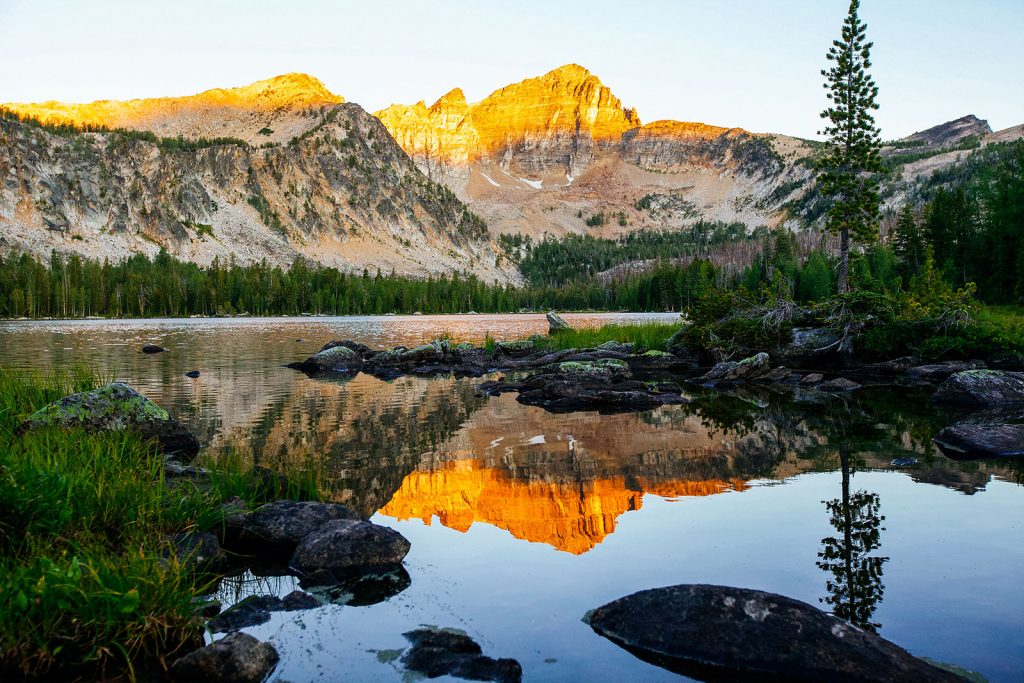
The Anaconda-Pintler Wilderness is one of Montana’s most spectacular mountain landscapes. Stretching along the Continental Divide between Anaconda and the Bitterroot Valley, this rugged wilderness is known for its alpine lakes, granite peaks, wildflower meadows, and seemingly endless opportunities for exploration.
Whether you’re looking for a short day hike, a weekend backpacking trip, or simply a chance to spend time in Montana’s backcountry, the Anaconda-Pintler Wilderness offers a wide variety of experiences across more than 150,000 acres of protected public land.
In This Article:
Where is the Anaconda-Pintler Wilderness?
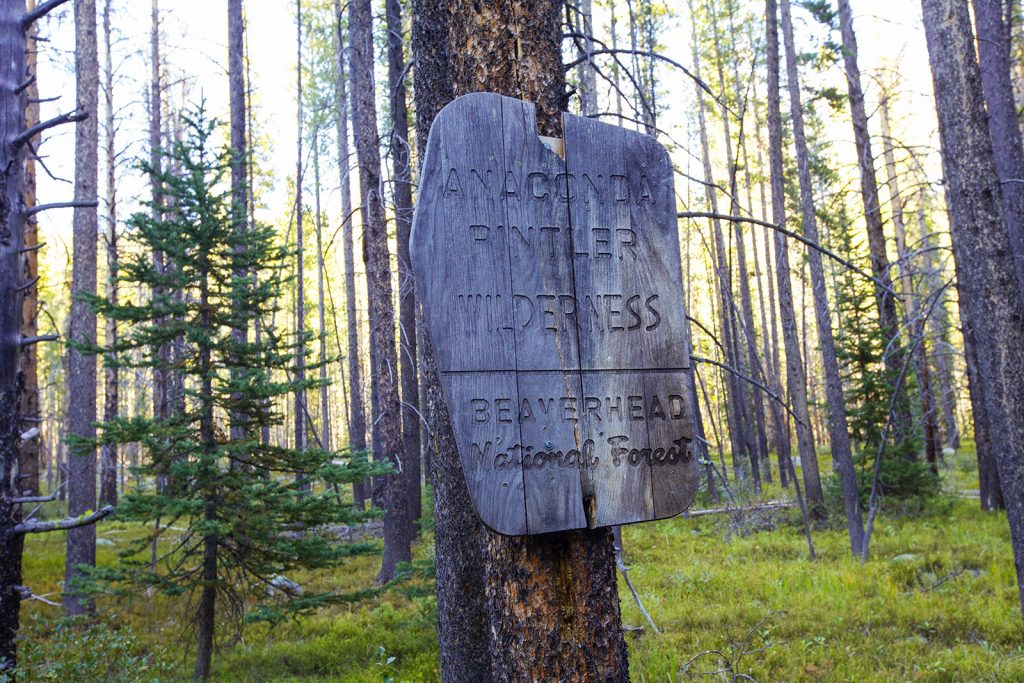
The Anaconda-Pintler Wilderness is in Southwest Montana and is part of the Beaverhead-Deerlodge National Forest. Access points can be found near Anaconda, Philipsburg, and Wisdom.
The wilderness follows a large section of the Continental Divide and includes hundreds of miles of trails, numerous alpine lakes, and some of Montana’s most scenic high-country terrain.
What Makes the Anaconda-Pintler Special?
The heart of the Anaconda-Pintler is designated as a federally protected Wilderness area, which shapes everything about the experience. No roads penetrate the range, which means no motorized traffic, no casual drive-through visitors, and a genuine sense of remoteness that’s increasingly hard to find. The landscape rewards the people willing to earn it on foot.
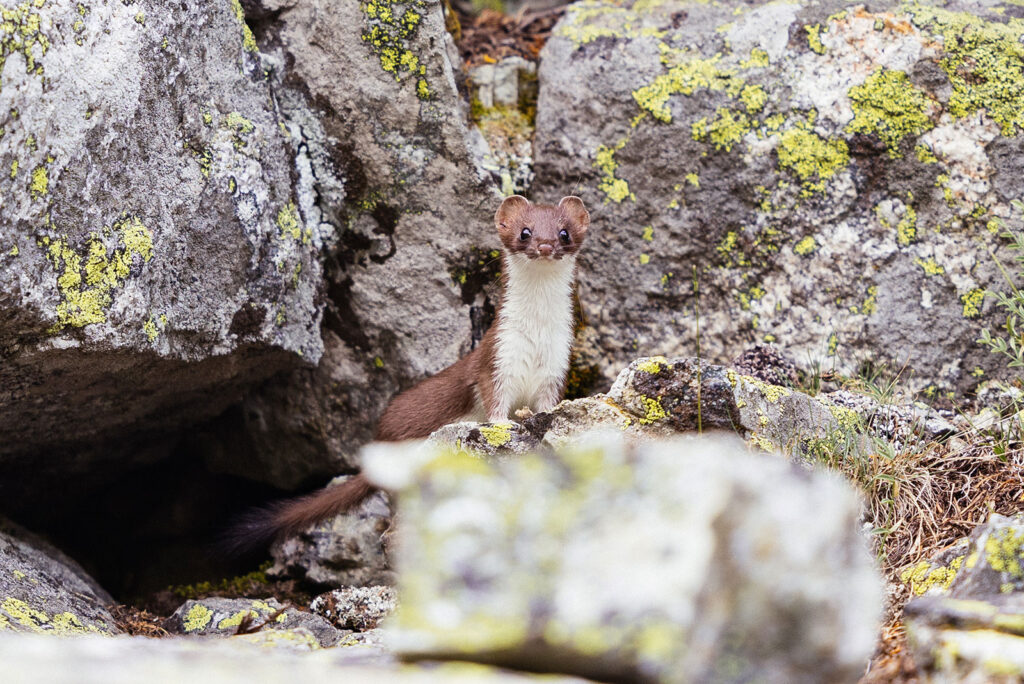
That road-free character also means better wildlife sightings. Animals here aren’t conditioned to vehicles or roadsides, and encounters tend to feel more intimate and genuine. We’ve seen mountain goats, elk, moose, deer, ermine, and more.
The terrain itself leans lush compared to some of Southwest Montana’s other drier ranges. Denser forests, moss, and a surprising richness of wildflowers push into the high country. One of our favorite features of the Anaconda-Pintler is its alpine larch: those golden, needle-shedding conifers that turn the high basins into a cheerful golden experience each fall.
The range also includes part of the Continental Divide, and several miles of the Continental Divide Trail pass through. If you’re hiking or planning a longer CDT section, this is a beautiful stretch.
Peak summer brings some use to the popular trailheads, but venture even a few miles past them and solitude is genuinely available.

Best Time to Visit
Most visitors explore the Anaconda-Pintler Wilderness between July and September when trails are generally snow-free and access is most reliable.
Early summer often brings lush green landscapes and abundant wildflowers, while late summer and early fall provide cooler temperatures and fewer visitors. Fall can be particularly beautiful as vegetation begins to change color and the mountains become quieter.
Mountain weather can change quickly throughout the season. Afternoon thunderstorms, strong winds, and freezing overnight temperatures are possible even during the summer months. Checking weather forecasts and trail conditions before heading into the backcountry is always recommended.
Finding Trails in the Anaconda-Pintler Wilderness
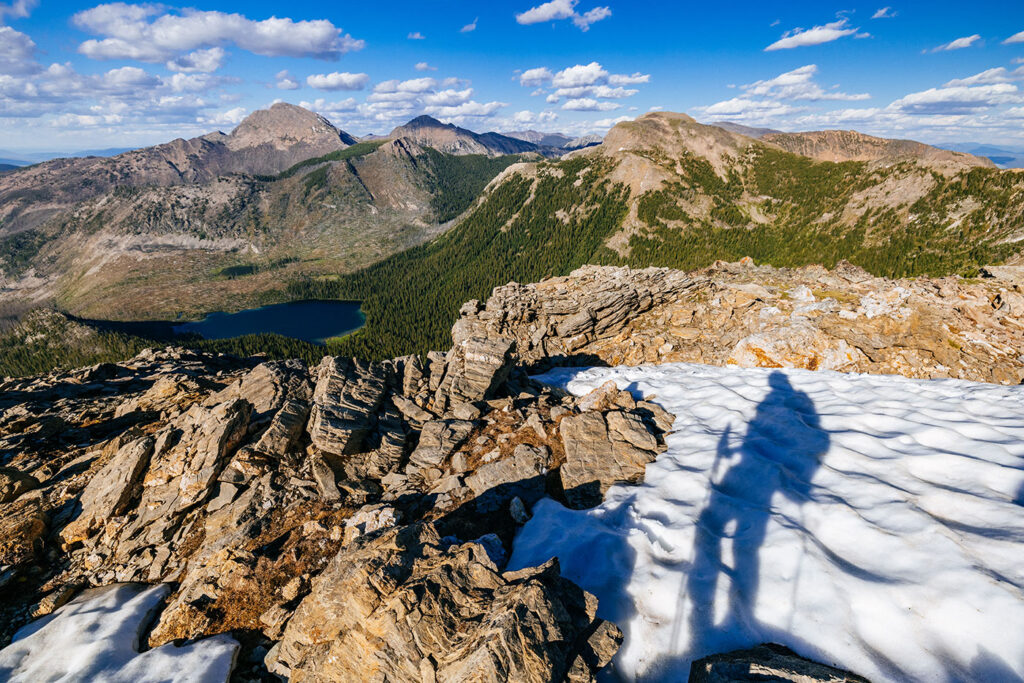
We use OnX to discover new trails, research routes, plan backpacking trips, and navigate off-trail. We particularly use the onX Hunt version because it shows property lines as well, but it seems that OnX Backcountry has the same trail info.
Day Hiking Opportunities
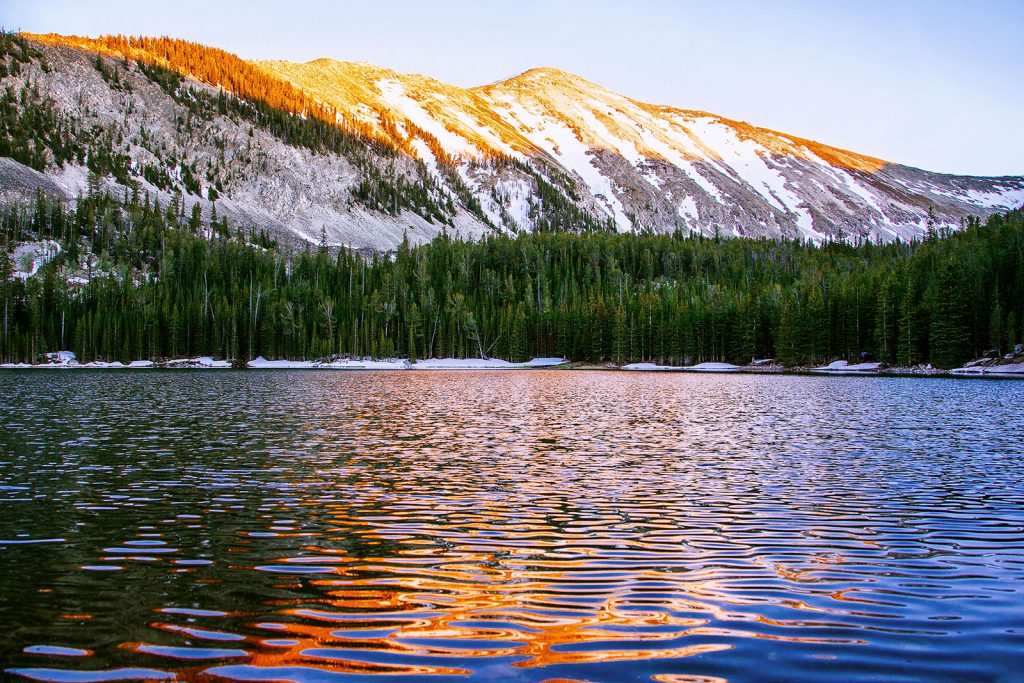
The Anaconda-Pintler Wilderness contains hundreds of miles of trails suitable for day hiking. Visitors can explore mountain lakes, high ridgelines, scenic passes, and portions of the Continental Divide Trail.
Trail experiences vary significantly depending on elevation, distance, and season. Some routes offer relatively easy access to lakes and viewpoints, while others require significant elevation gain and backcountry experience.
Visitors should research trail conditions, weather forecasts, and current access information before beginning any hike.
Day Hiking Essentials
We only recommend gear we’ve personally used and trust in the backcountry. Some links are affiliate links, which means we may receive a small commission if you make a purchase, at no additional cost to you. Your purchases help support Backyard Montana and the work we share. 1% of our annual gross revenue is donated to organizations working to protect Montana’s land, wildlife, and public access.
Recommended Day Hiking Gear
Suggested pack list:
Backpacking and Camping
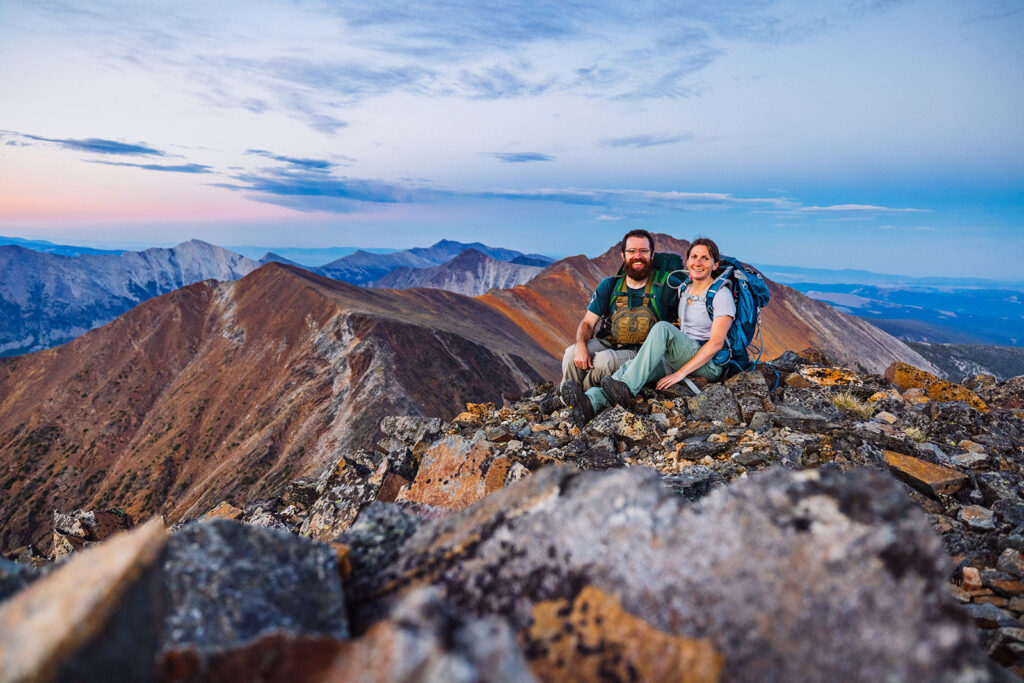
For many visitors, backpacking is the best way to experience the Anaconda-Pintler Wilderness. Overnight trips allow access to remote lakes, high basins, and less-traveled sections of trail that are difficult to reach during a single day.
Camping opportunities can be found throughout the wilderness, offering everything from established backcountry sites to more secluded camps near alpine lakes and meadows.
Backpackers should practice Leave No Trace principles, camp responsibly, and prepare for rapidly changing mountain conditions.
Backpacking Essentials
We only recommend gear we’ve personally used and trust. Some of the links below are affiliate links, which help support Backyard Montana at no additional cost to you.
Recommended Backpacking Gear
Suggested pack list:
Wildlife and Safety Considerations
The Anaconda-Pintler Wilderness is home to a variety of wildlife including black bears, grizzly bears, moose, elk, mountain goats, and numerous smaller species.
Carrying bear spray and knowing how to use it is strongly recommended. Visitors should also store food properly and maintain safe distances from wildlife at all times.
Other important considerations include:
- Rapid weather changes
- High-elevation exposure
- Limited cell service
- Stream crossings during spring runoff
- Long distances from emergency services
Proper planning and preparation can help ensure a safe and enjoyable wilderness experience.
Planning Your Visit
The Anaconda-Pintler Wilderness rewards visitors who arrive prepared. Whether you’re heading out for a few hours or several days, understanding conditions, carrying appropriate gear, and respecting wilderness regulations will help you make the most of your trip.
Many visitors arrive here looking for information about specific trails and destinations throughout the wilderness. While Backyard Montana no longer publishes detailed trail route descriptions, we encourage visitors to research current conditions, carry appropriate maps, and recreate responsibly while exploring Montana’s public lands.
From alpine lakes and mountain passes to remote campsites and Continental Divide views, the Anaconda-Pintler Wilderness remains one of Montana’s premier backcountry destinations.
Some of the links in this post are affiliate links which means if you make a purchase, we receive a small compensation at no added cost to you. Any purchases you make help keep this blog going and our content free. We truly appreciate your support!


